FAQs of Silicon Coated Fire Blanket:
Q: How do I correctly install and use the silicon coated fire blanket for maximum protection?
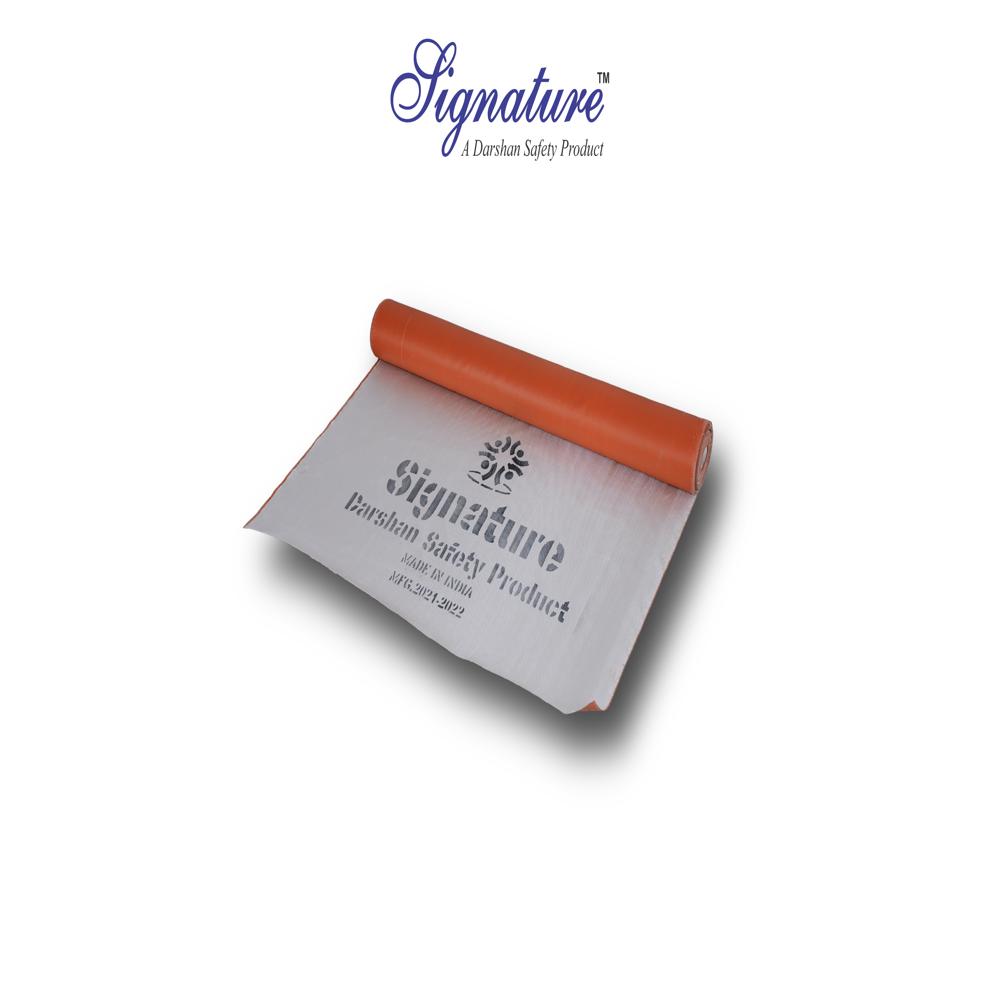
A: To use effectively, place the blanket directly over flames, hot equipment, or the area to be protected. Ensure it fully covers the source, smoothing out folds for consistent coverage. This method minimizes fire spread and thermal transfer, ideal for welding or electrical insulation tasks in industrial environments.
Q: What are the main benefits of choosing a silicon coated fiberglass fire blanket?
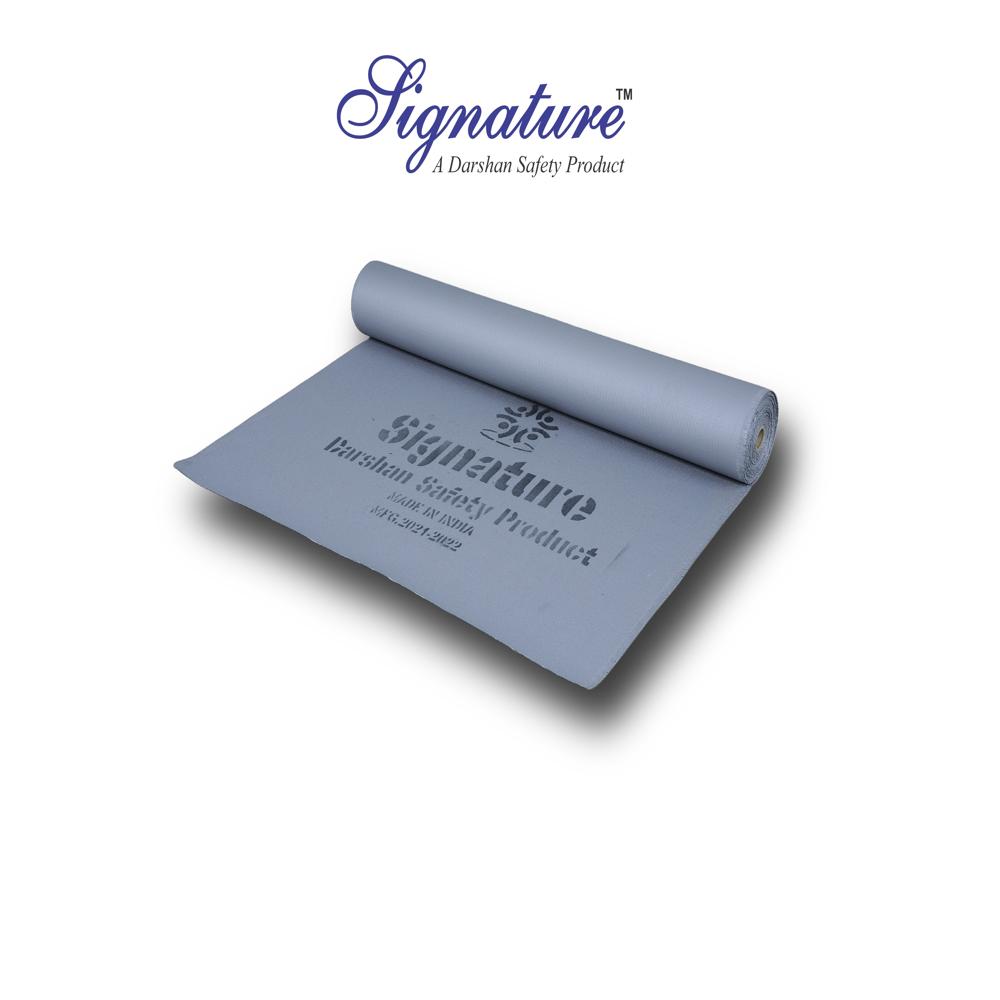
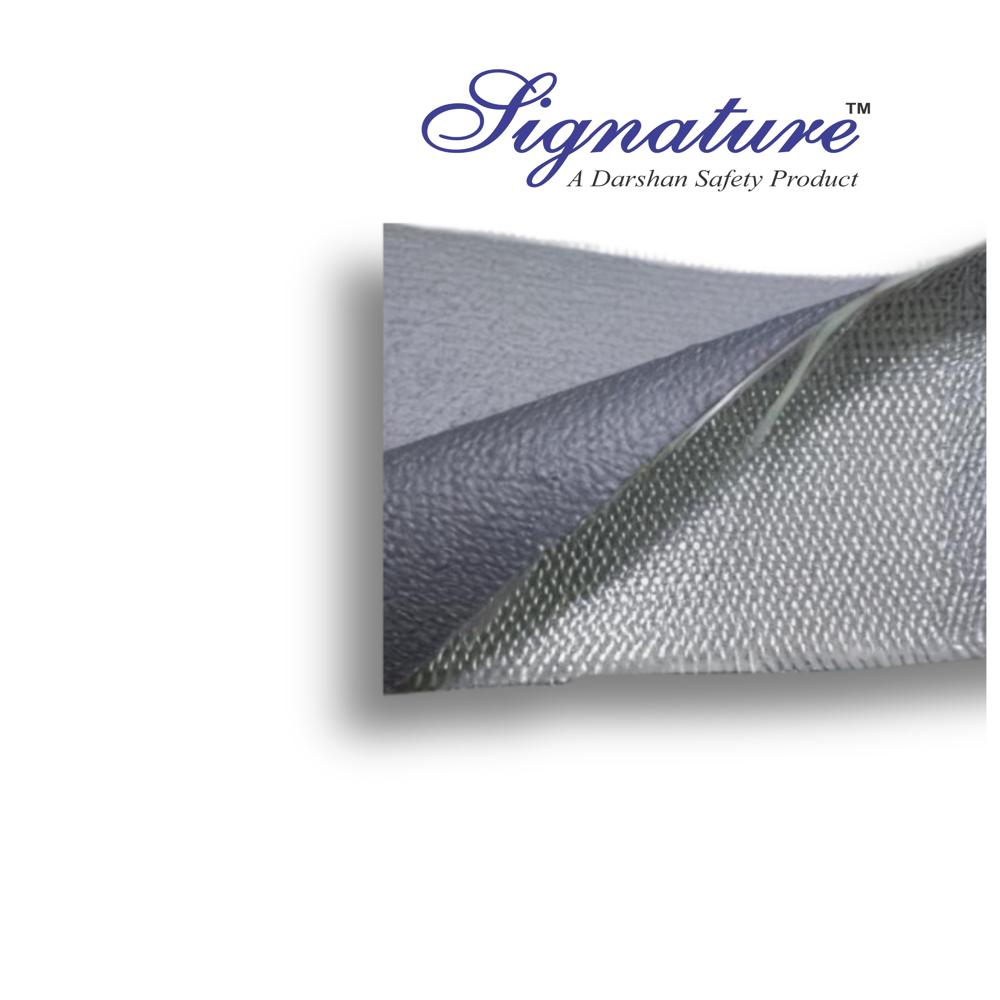
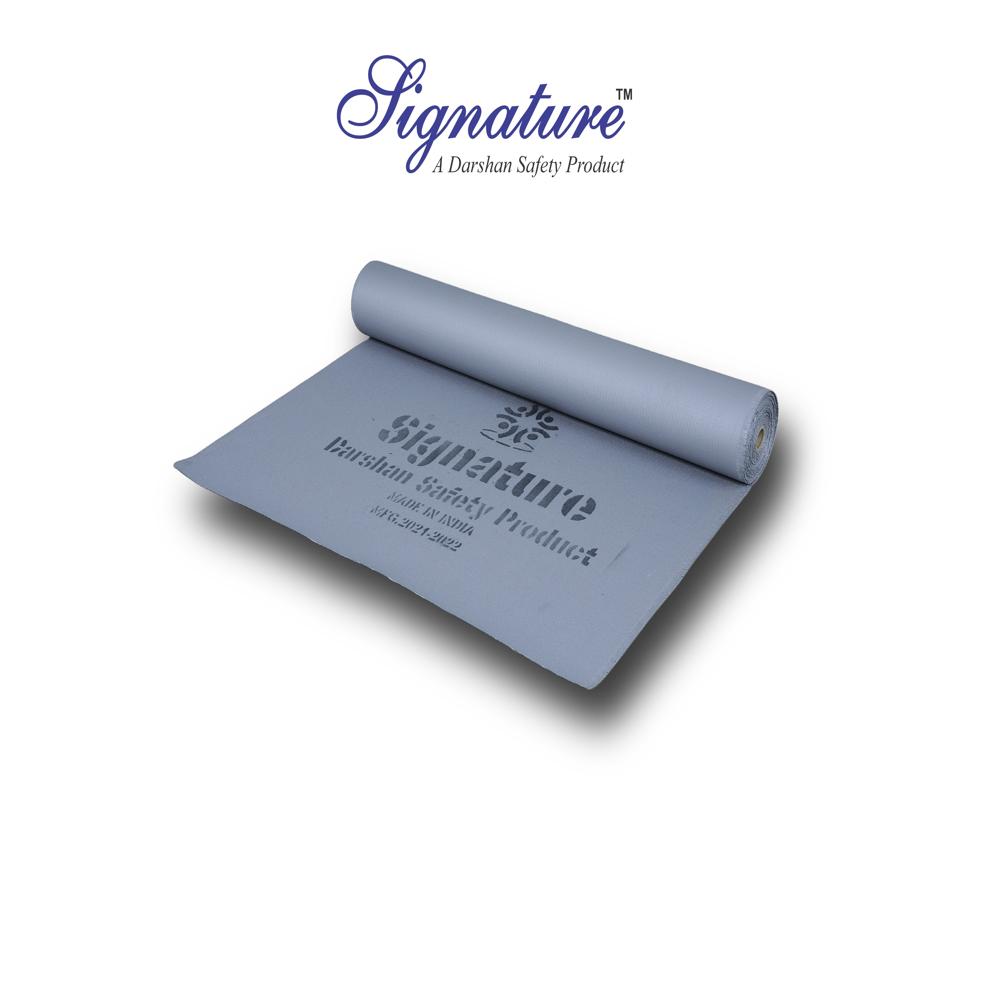
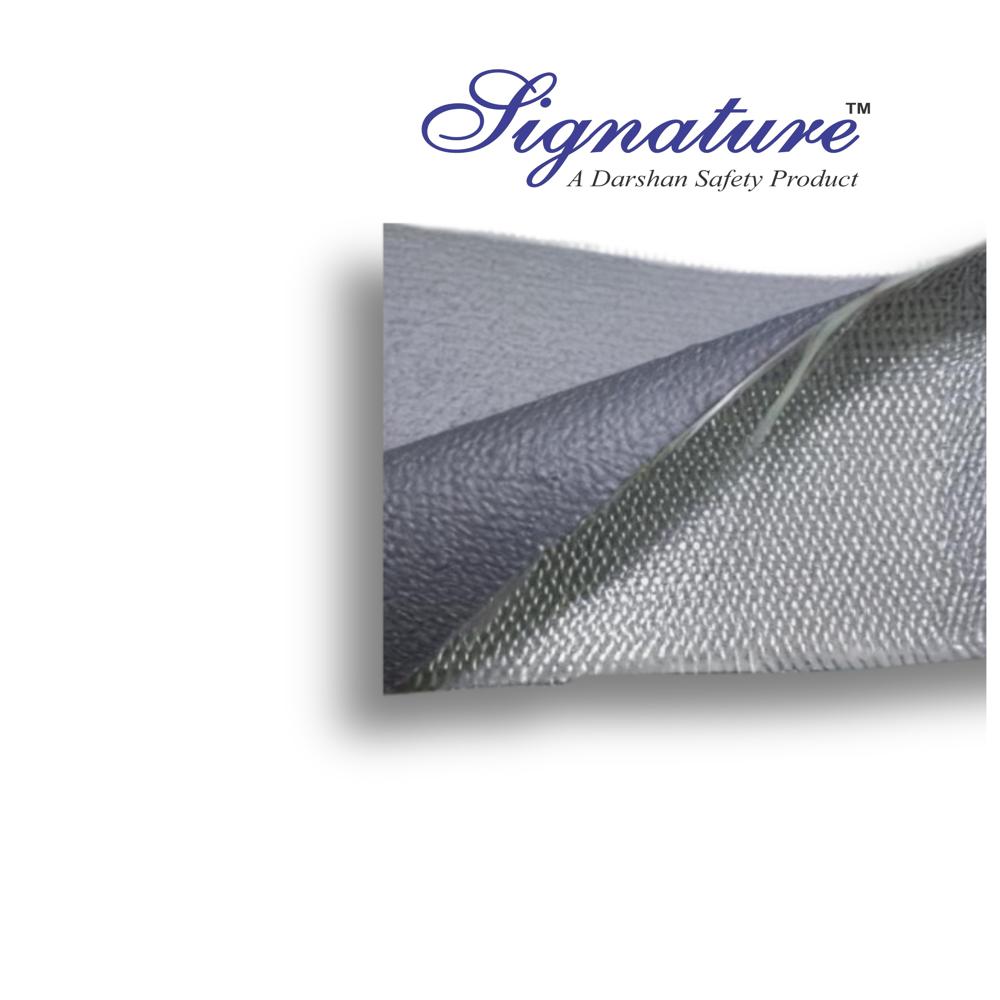
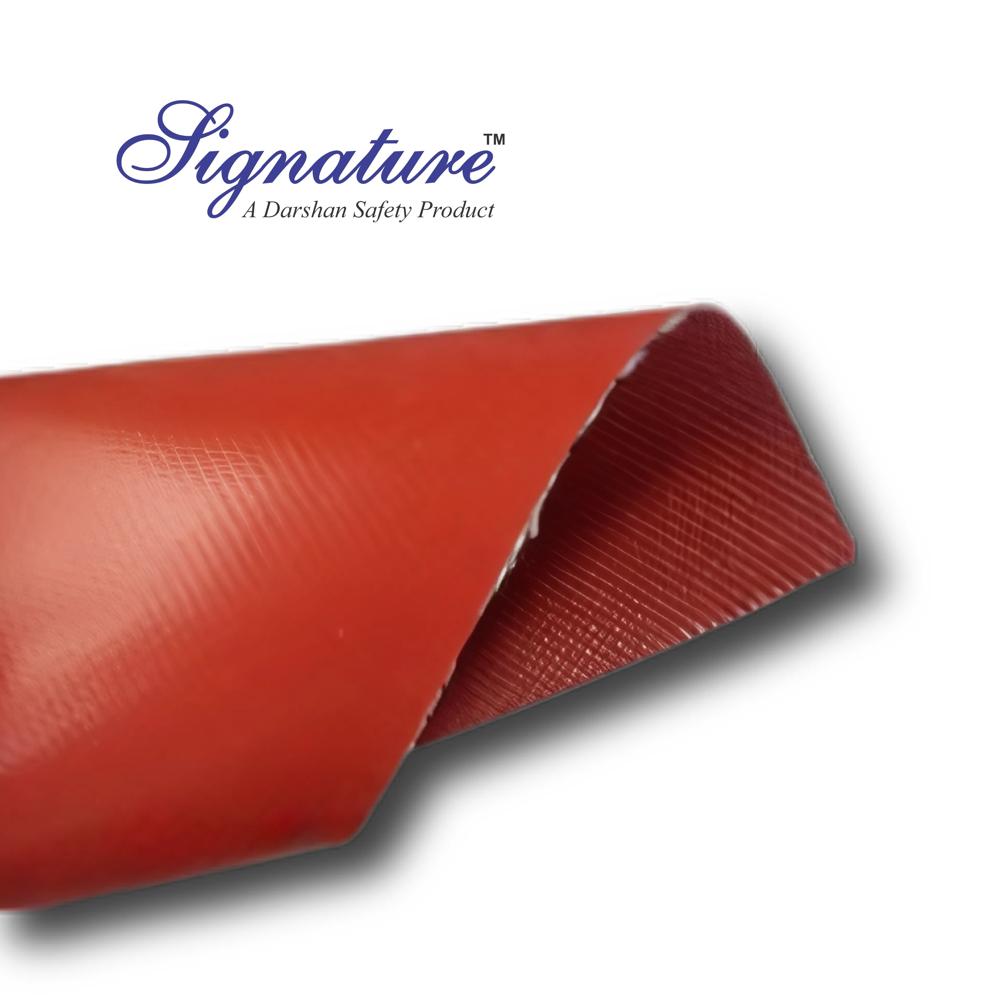
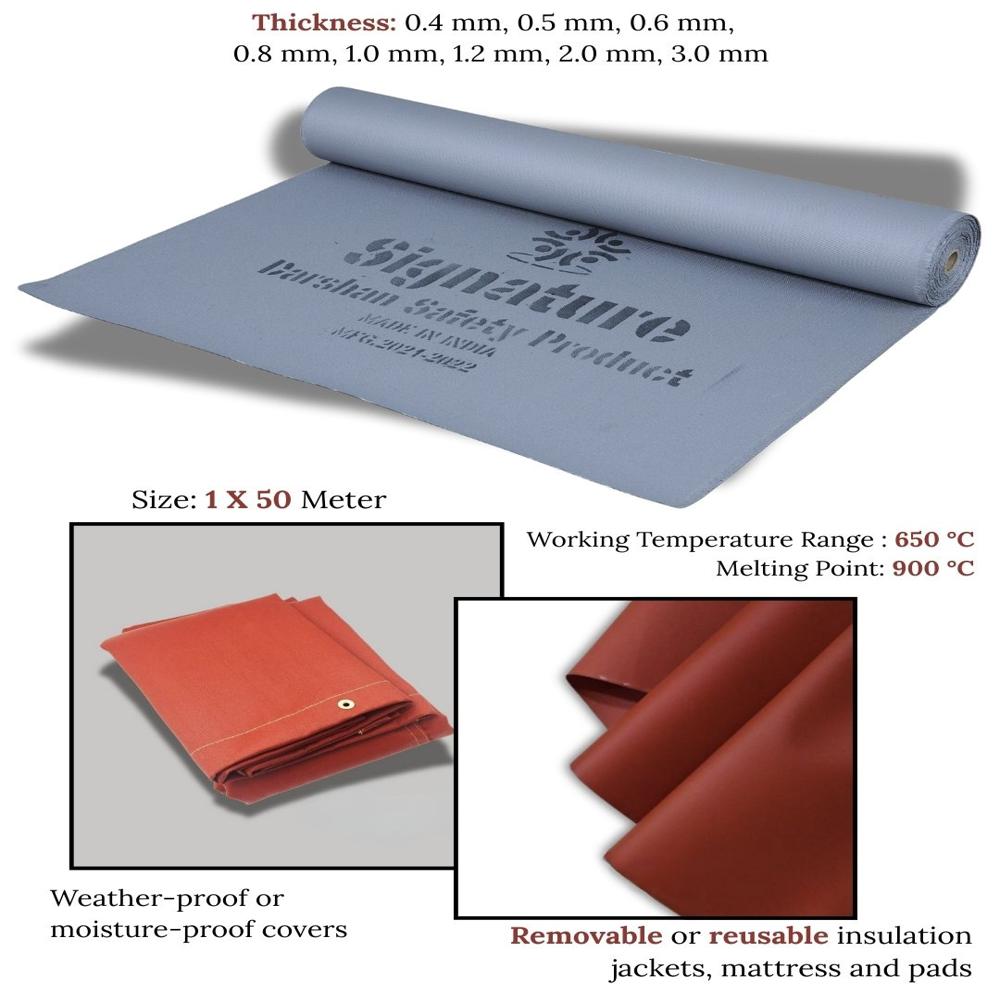
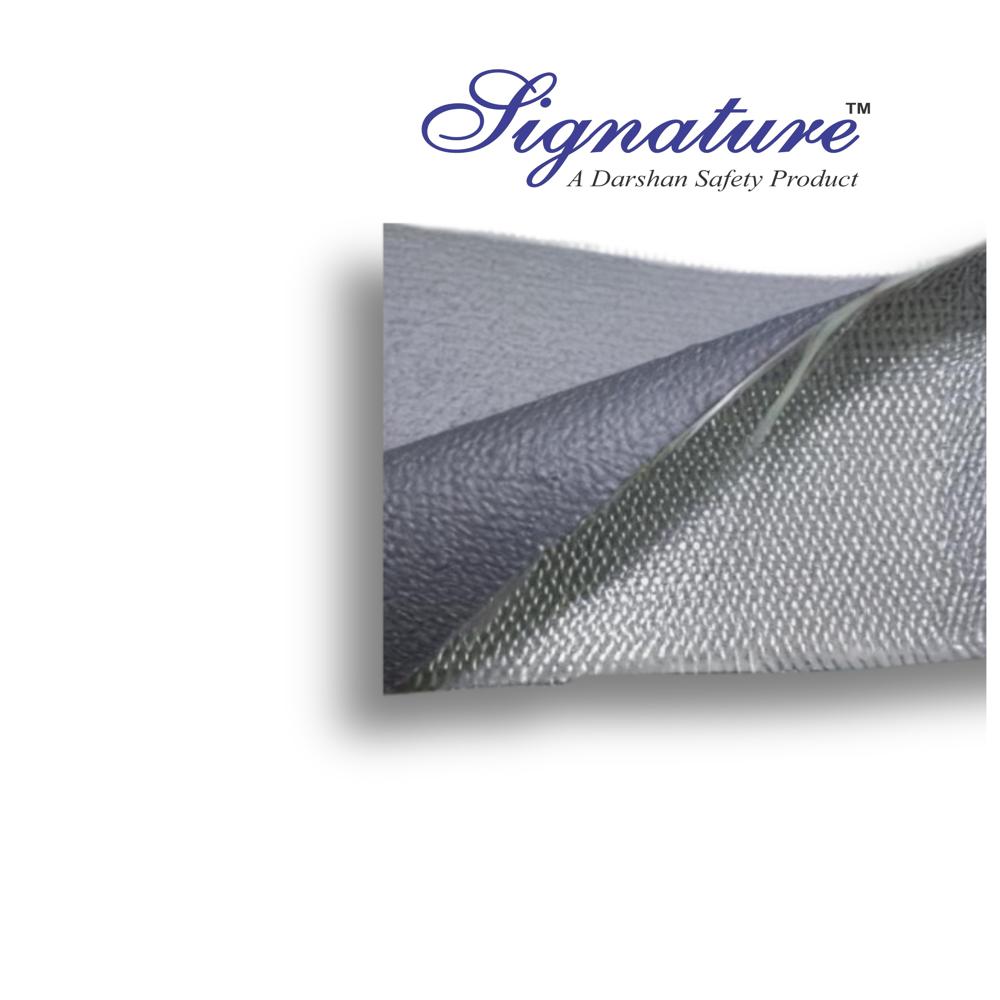
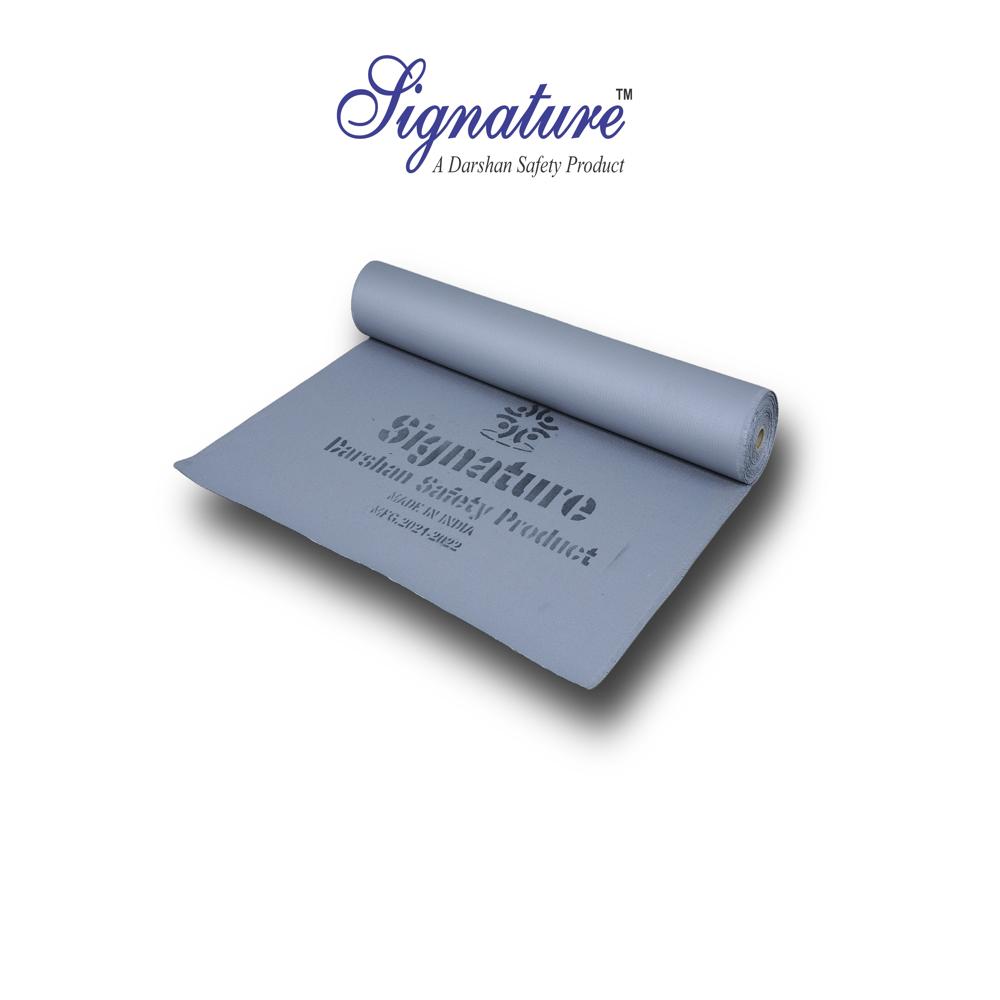
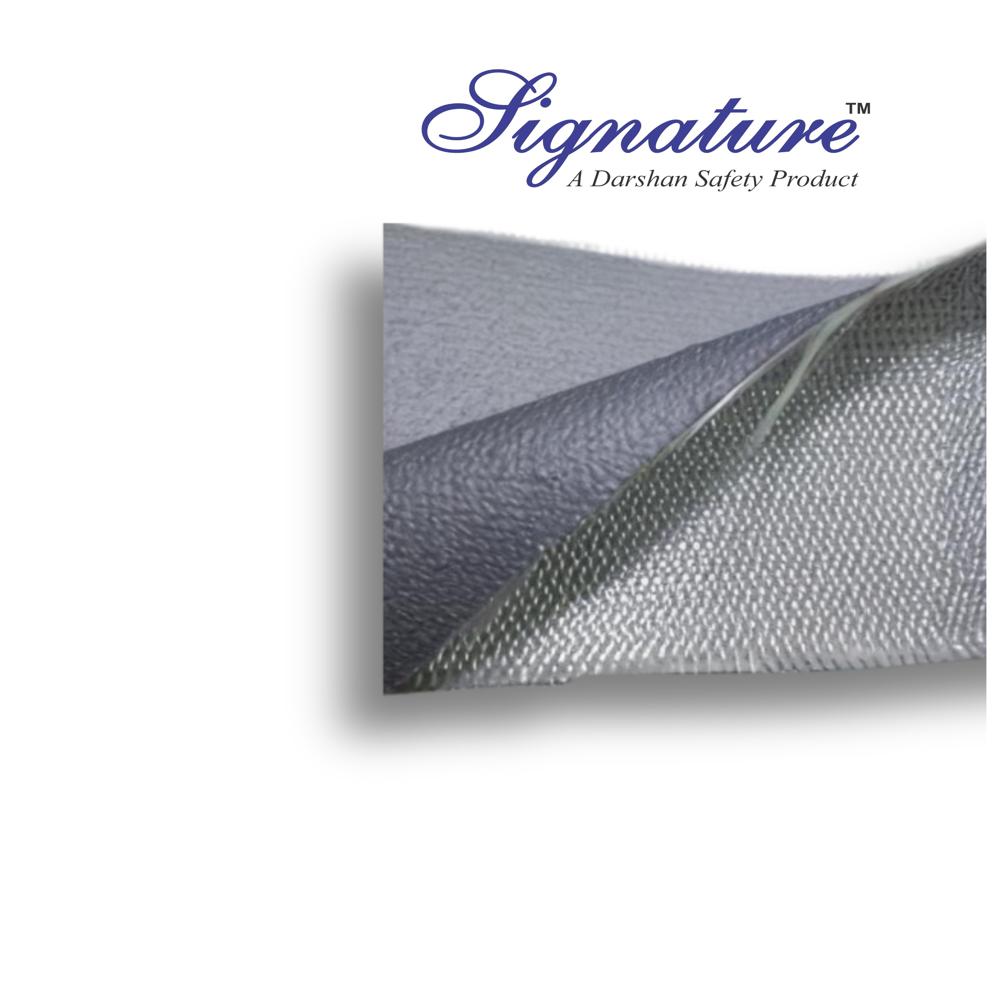
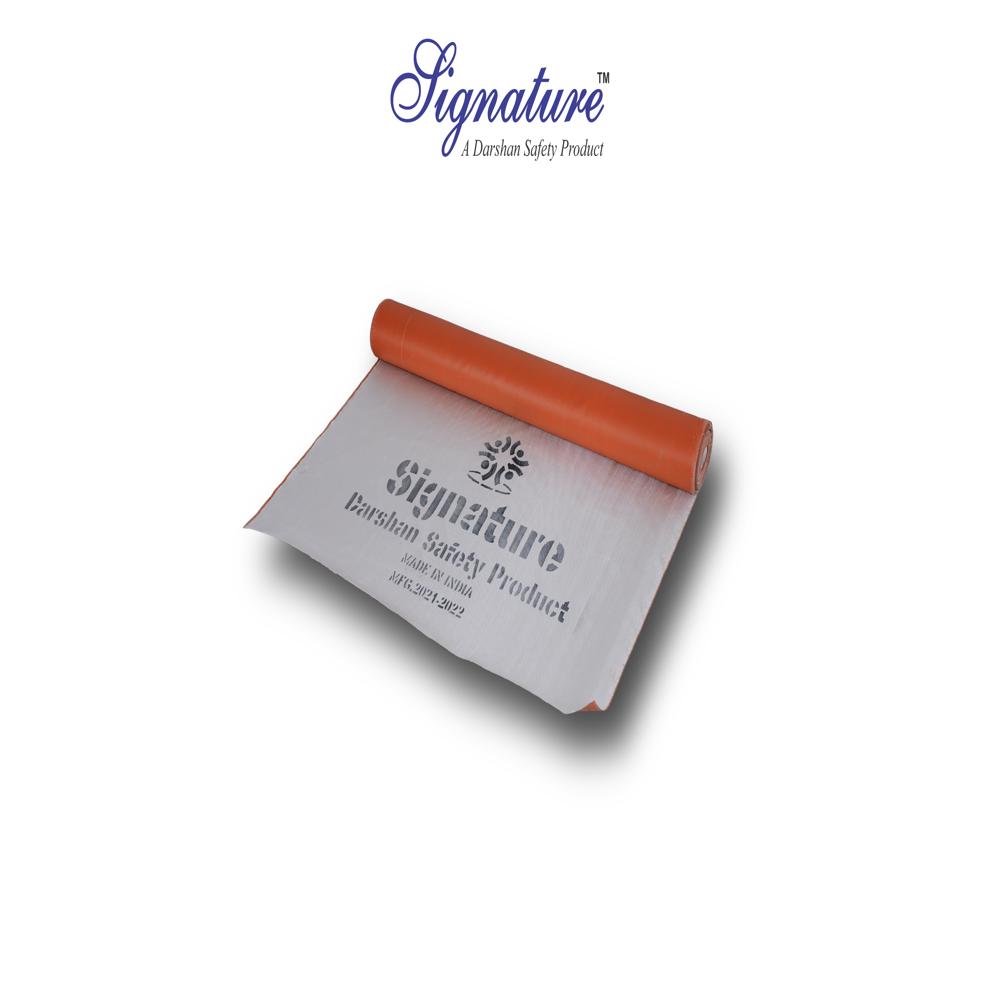
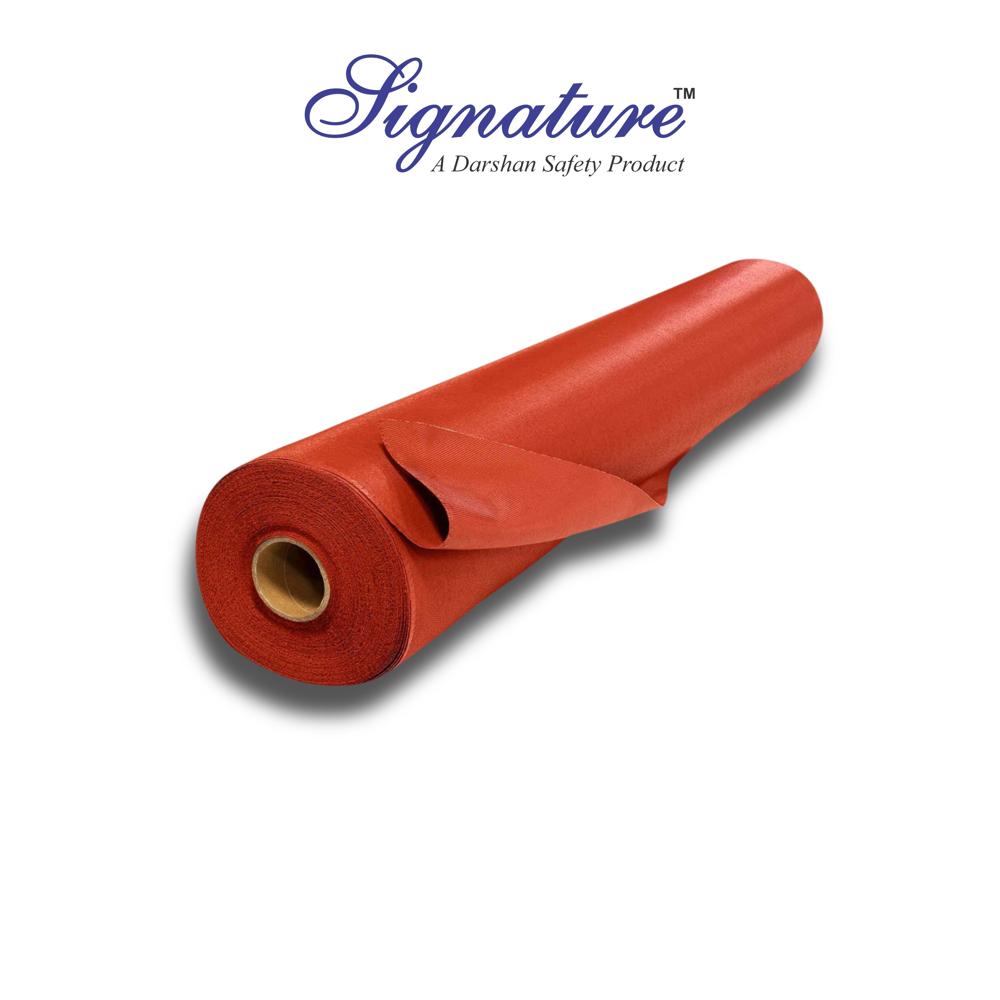
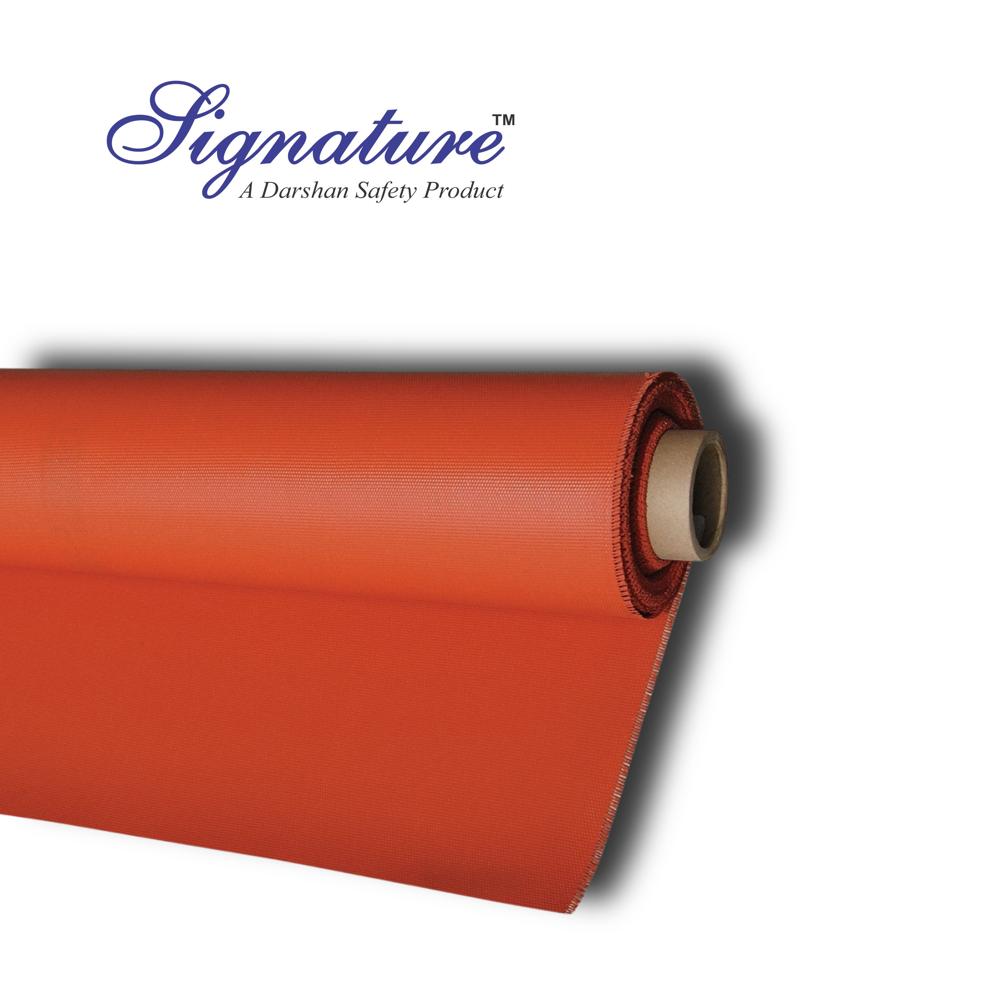
A: The blanket offers superior fire, water, and oil resistance, thanks to its robust silicon coating. Coupled with high tensile strength and low thermal conductivity, it efficiently contains flames and heat, resists tearing, and can be reused repeatedly for long-term cost savings.
Q: When should this fire blanket be used in industrial settings?
A: Deploy the blanket during welding operations, hot work, or whenever theres a risk of fire or high heat exposure. Its especially valuable for incident response, maintenance, and operational safety in plants requiring dependable thermal protection.
Q: Where can the silicon coated fire blanket be applied for optimal effectiveness?
A: Best suited for use in factories, workshops, power plants, and industrial installations, the blanket ensures safety as a welding curtain, heat shield, or quick-access fire suppression device around flammable equipment or processes.
Q: What is the process for maintaining and reusing the blanket after exposure to fire or heat?
A: After use, allow the blanket to cool completely, then inspect for damage. Clean it gently with water if contaminated with oil or particulates. As the material is waterproof and durable, it can be reused if structurally sound, providing reliable ongoing protection.
Q: How does the single-layer silicon coated design enhance its protective properties?
A: The single-layer silicon coated fiberglass construction optimizes flexibility and ease of handling, while maintaining robust fire-retardant capabilities. The silicon treatment further fortifies resistance against moisture and chemicals, extending the life of the product during demanding industrial tasks.


 Send Inquiry


 Product Video



 English
 Spanish
 French
 German
 Italian
 Chinese (Simplified)
 Japanese
 Korean
 Arabic
 Portuguese


 Send Inquiry
 Send SMS
 Call Me Free