FAQs of Silicone Rubber Coated Fiberglass Cloth:
Q: How is Silicone Rubber Coated Fiberglass Cloth used in industrial applications?
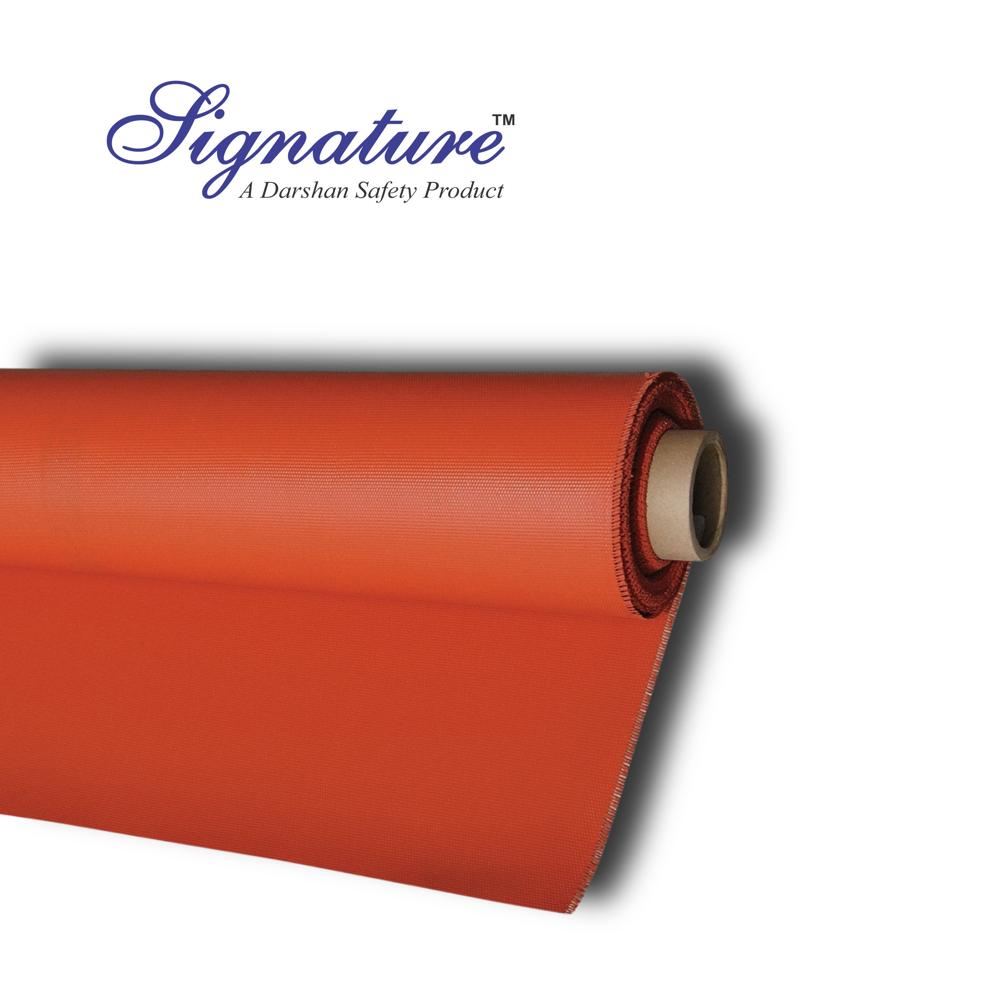
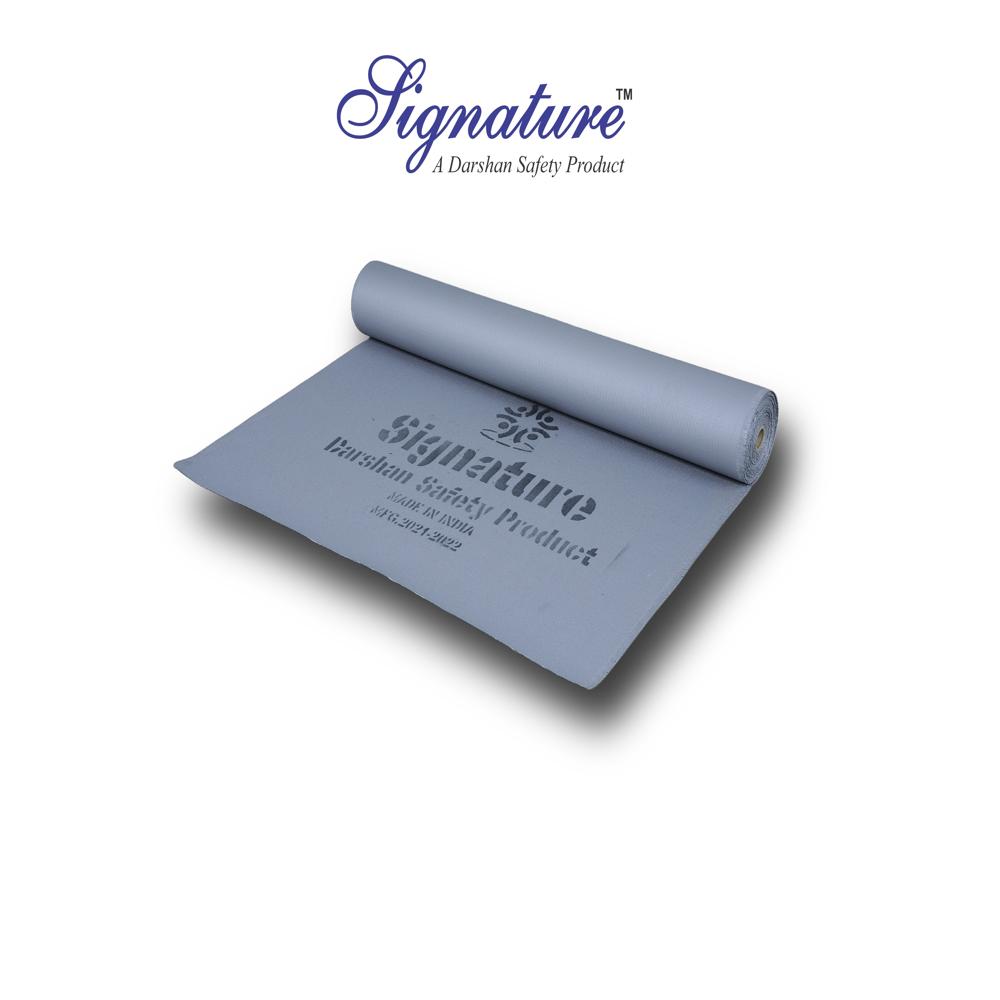
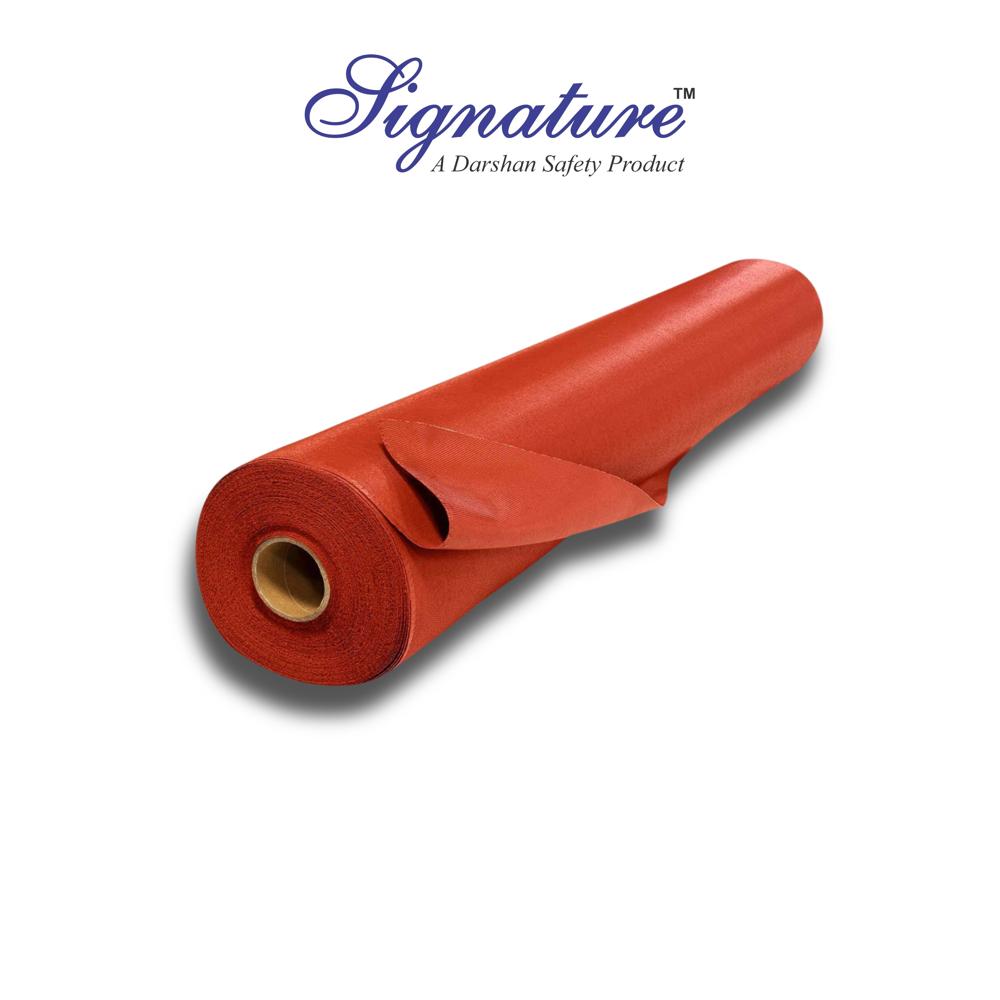
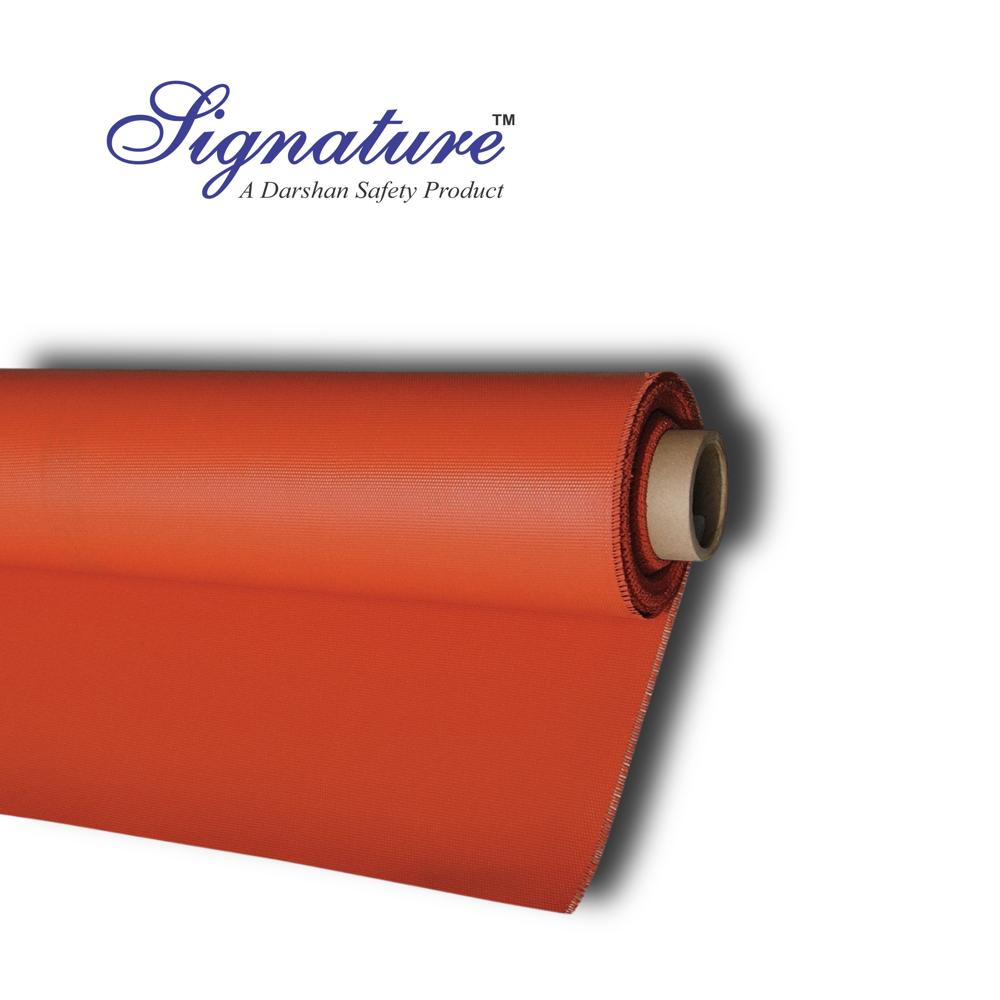
A: This fabric serves as an effective barrier for high-temperature insulation, sealing, and protective wraps across industrial equipment, piping, and machinery, helping to minimize heat loss and protect surfaces from thermal or chemical damage.
Q: What benefits does the silicone-coated fiberglass cloth offer over other insulation materials?
A: It combines excellent heat and chemical resistance, waterproofing, flexibility, and a non-stretch form, making it more durable and adaptable compared to traditional insulation fabrics for demanding industrial environments.
Q: When should I choose this material for my industrial insulation needs?
A: Select this fabric whenever you require reliable protection against extreme heat, exposure to harsh chemicals, or moisture ingress, especially where durability and compliance with stringent safety requirements are crucial.
Q: Where can this silicone rubber coated cloth be installed?
A: The material suits various locations within industrial settings, from wrapping pipes and valves to covering machinery surfaces, ductwork, and sealswherever thermal insulation or a chemical-resistant barrier is needed.
Q: What is the manufacturing process of silicone rubber coated fiberglass cloth?
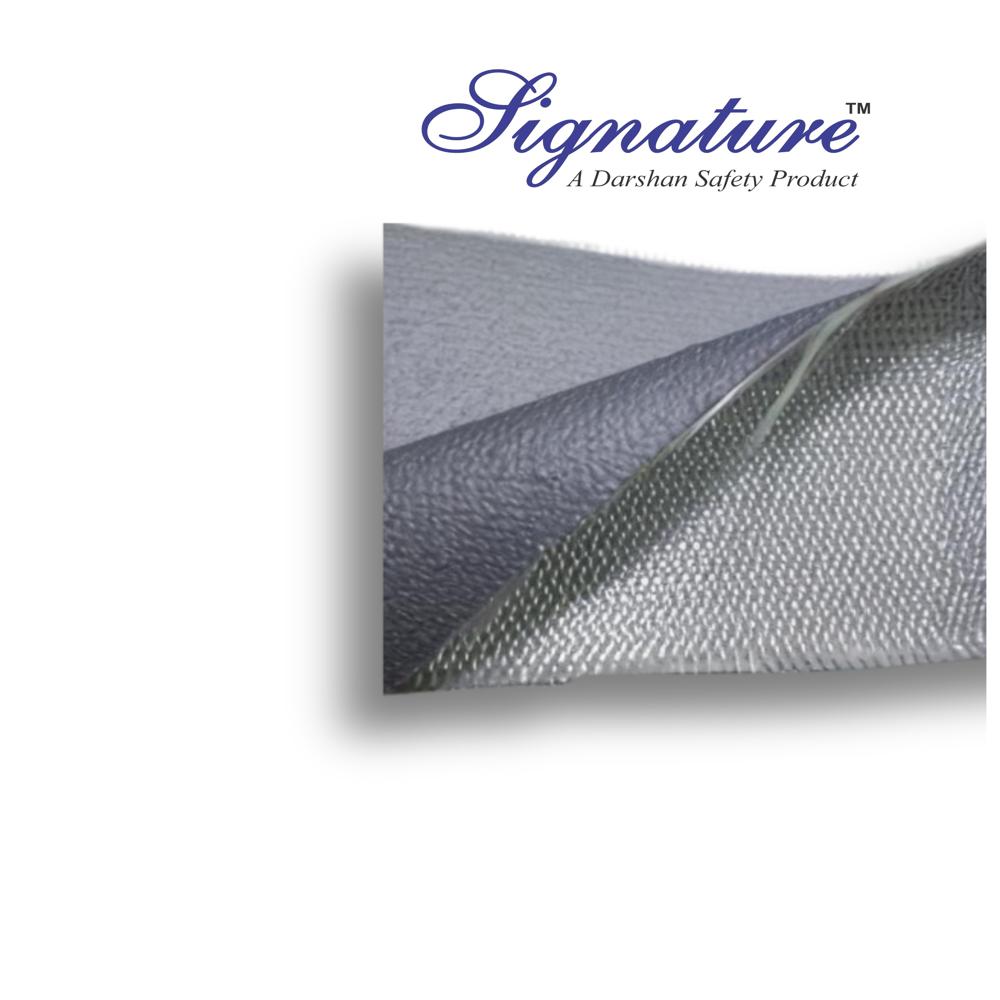
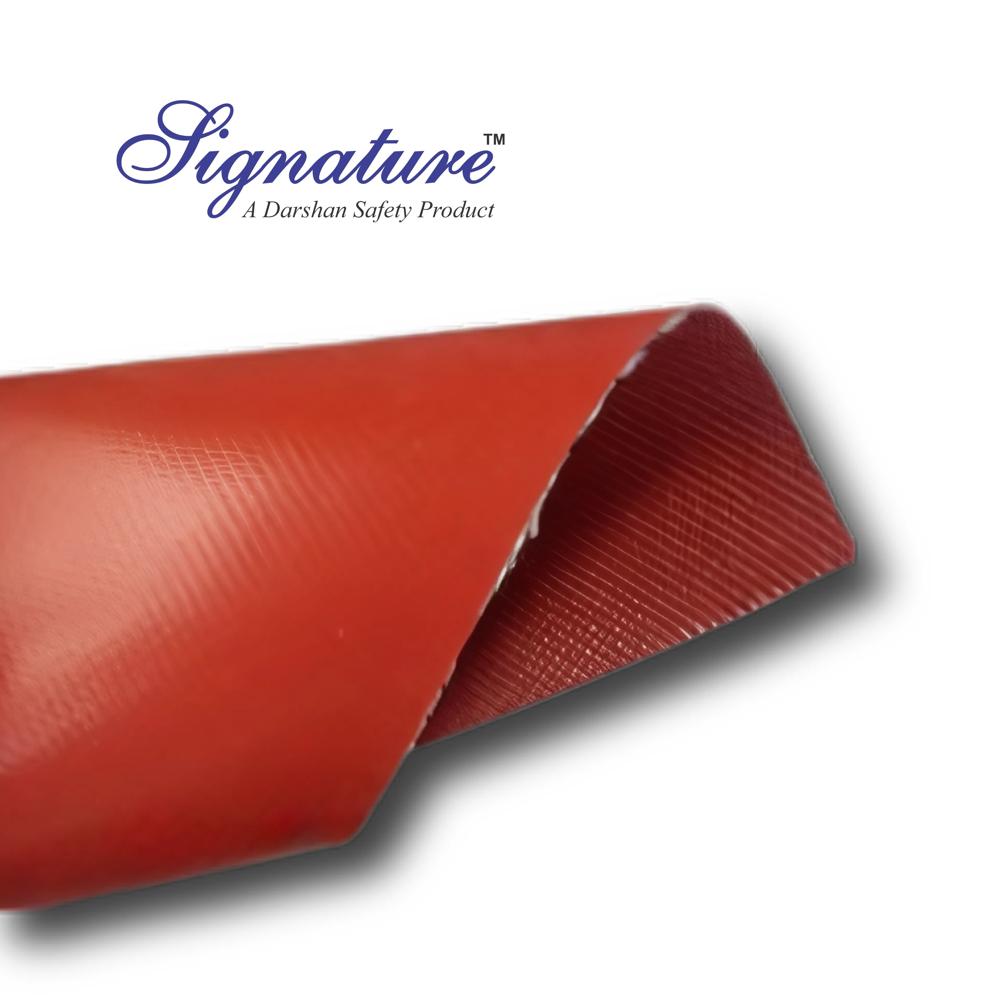
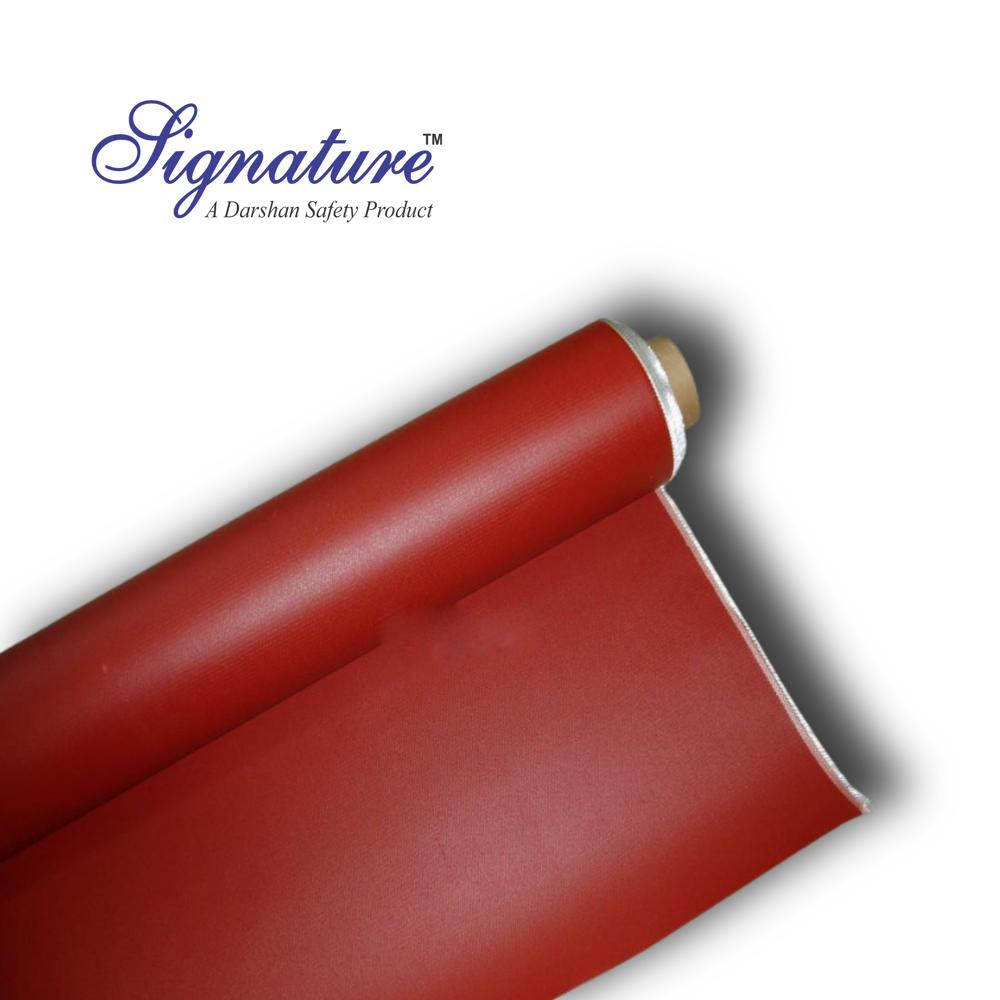
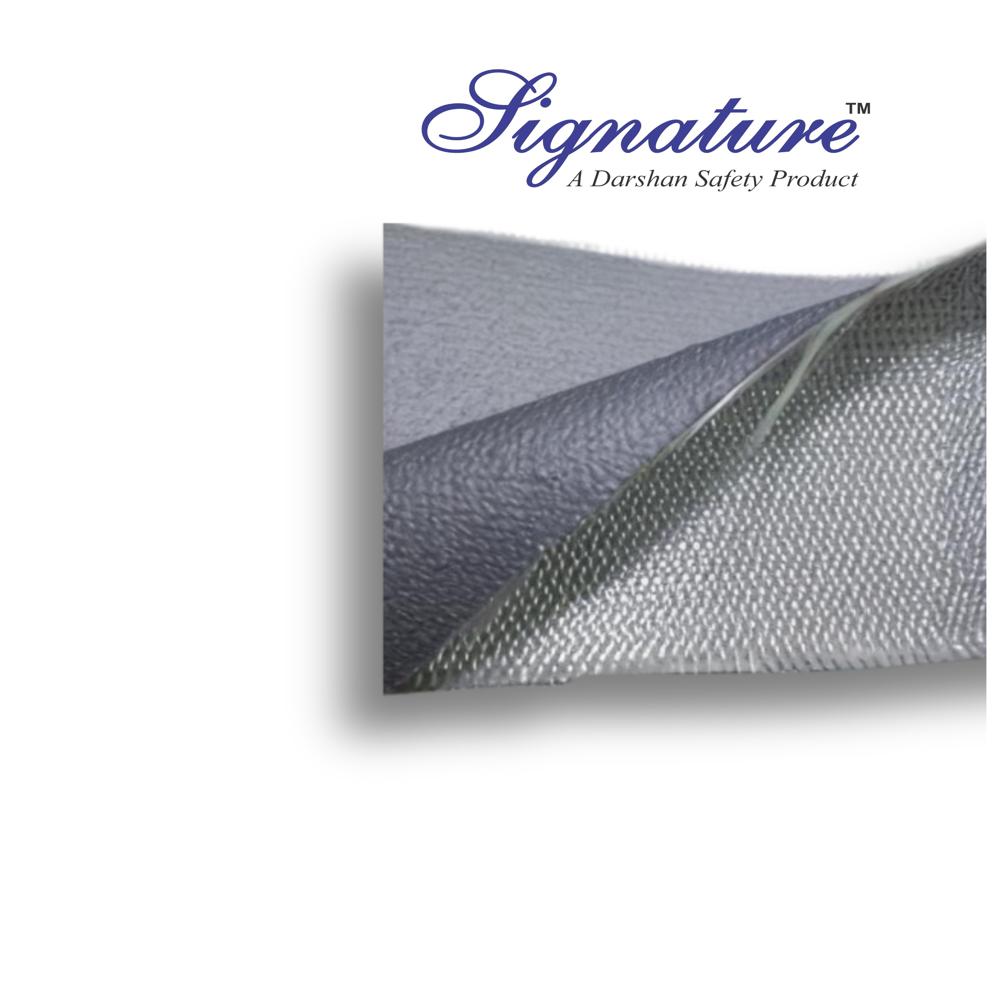
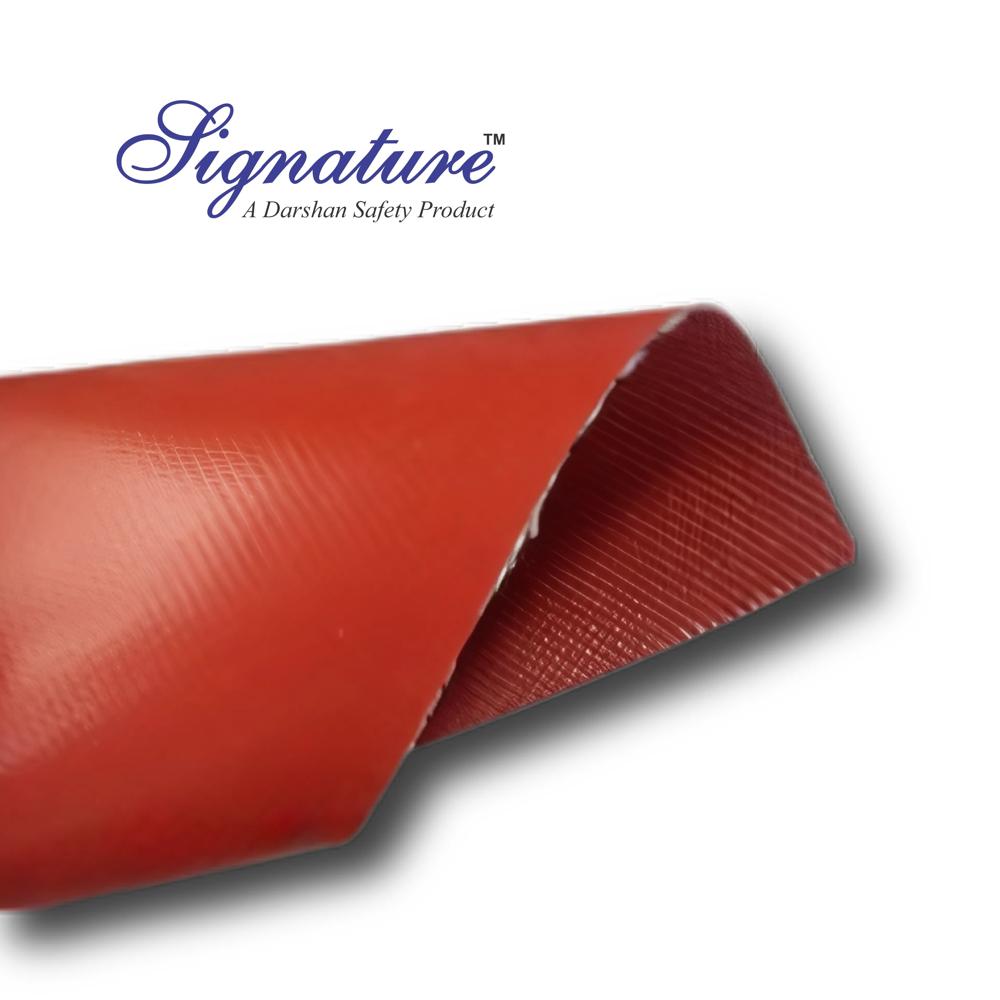
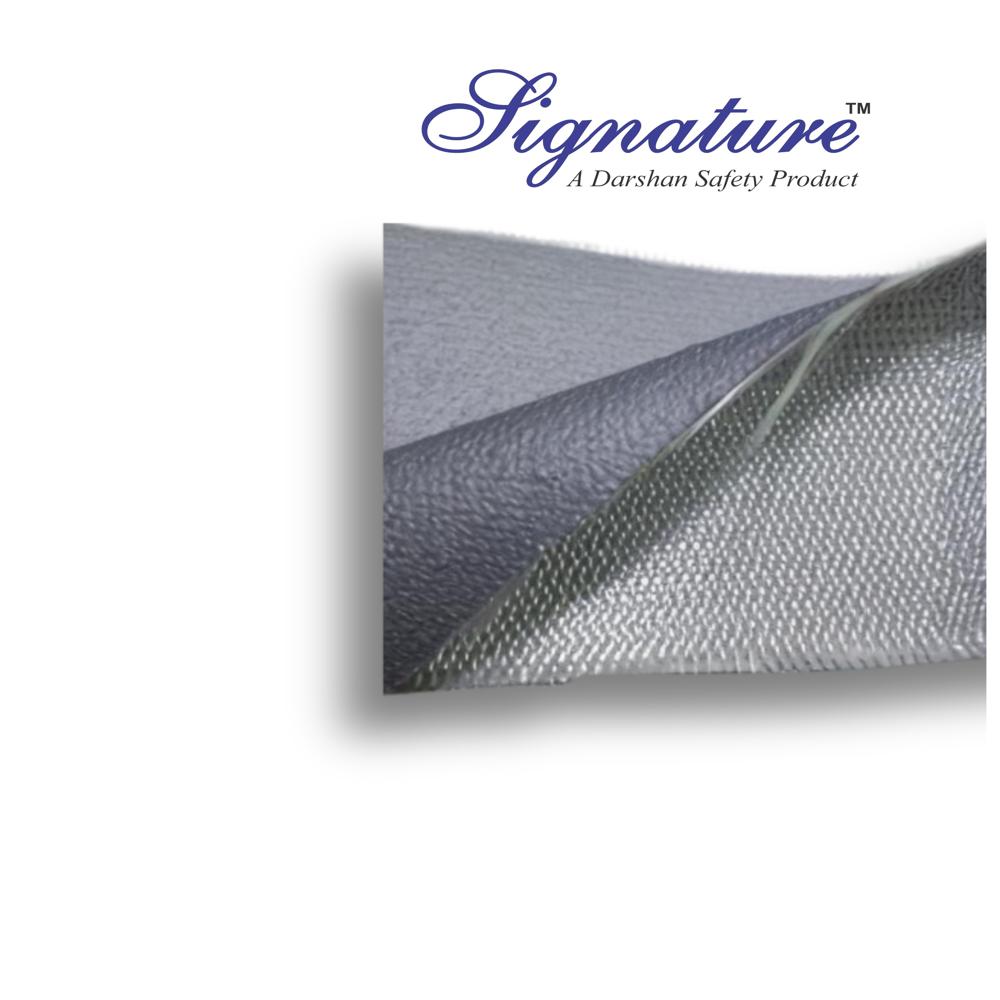
A: High-strength fiberglass is first woven or knitted, then coated uniformly with a layer of silicone rubber. The combination enhances properties like heat resistance, chemical tolerance, and waterproofing, resulting in a strong, protective, finished fabric.
Q: Is the size of the fabric customizable for specific projects?
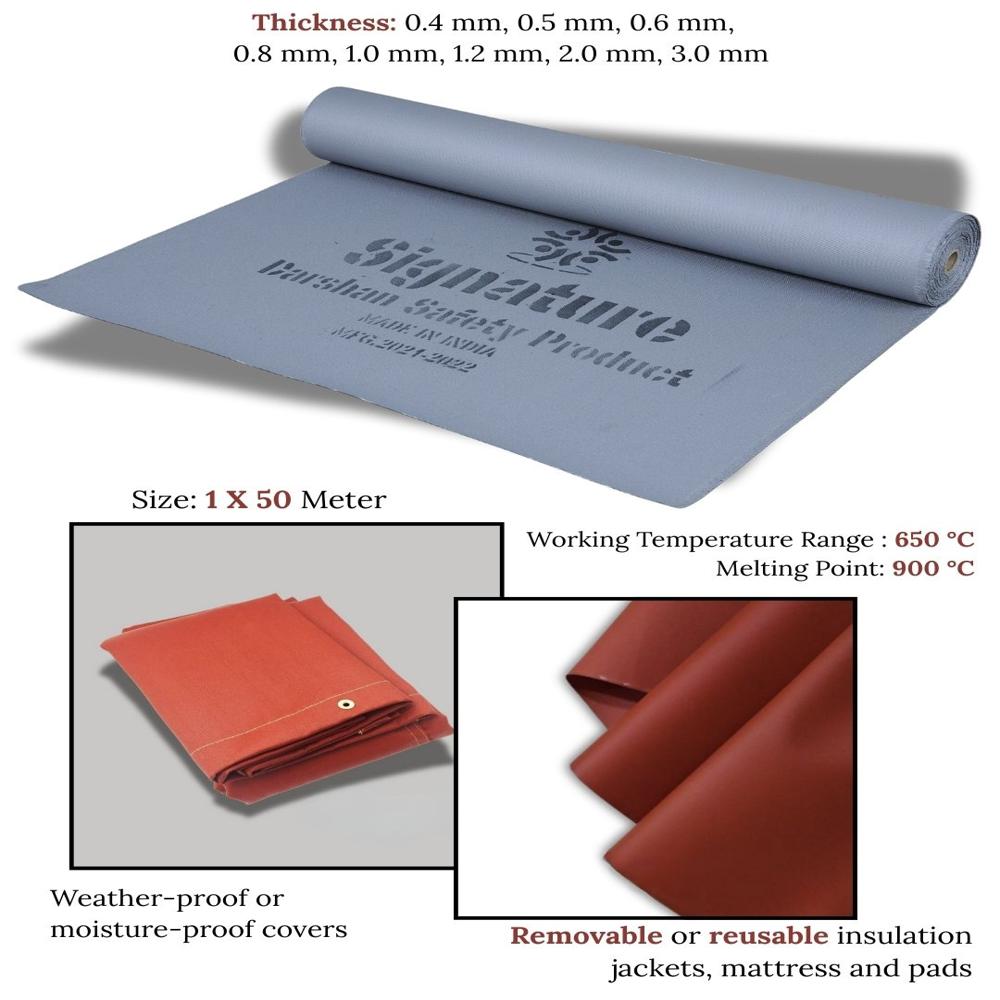
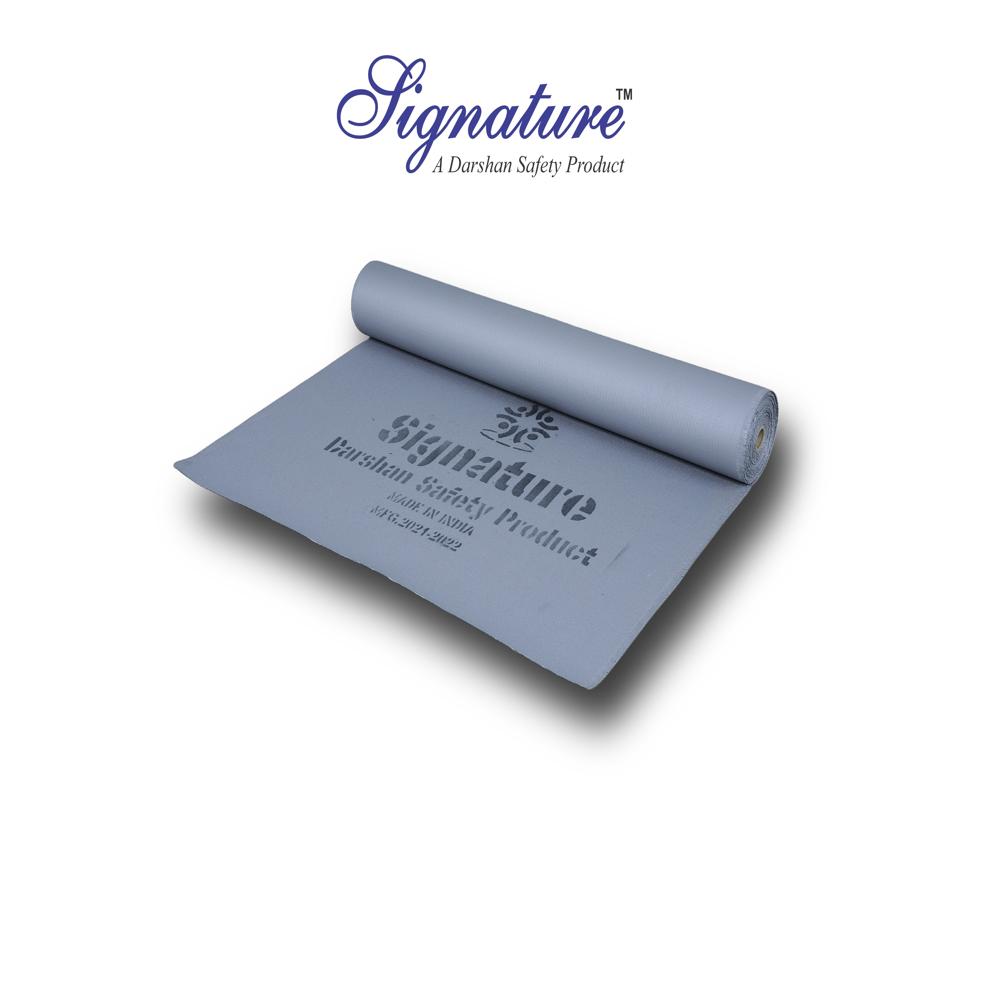
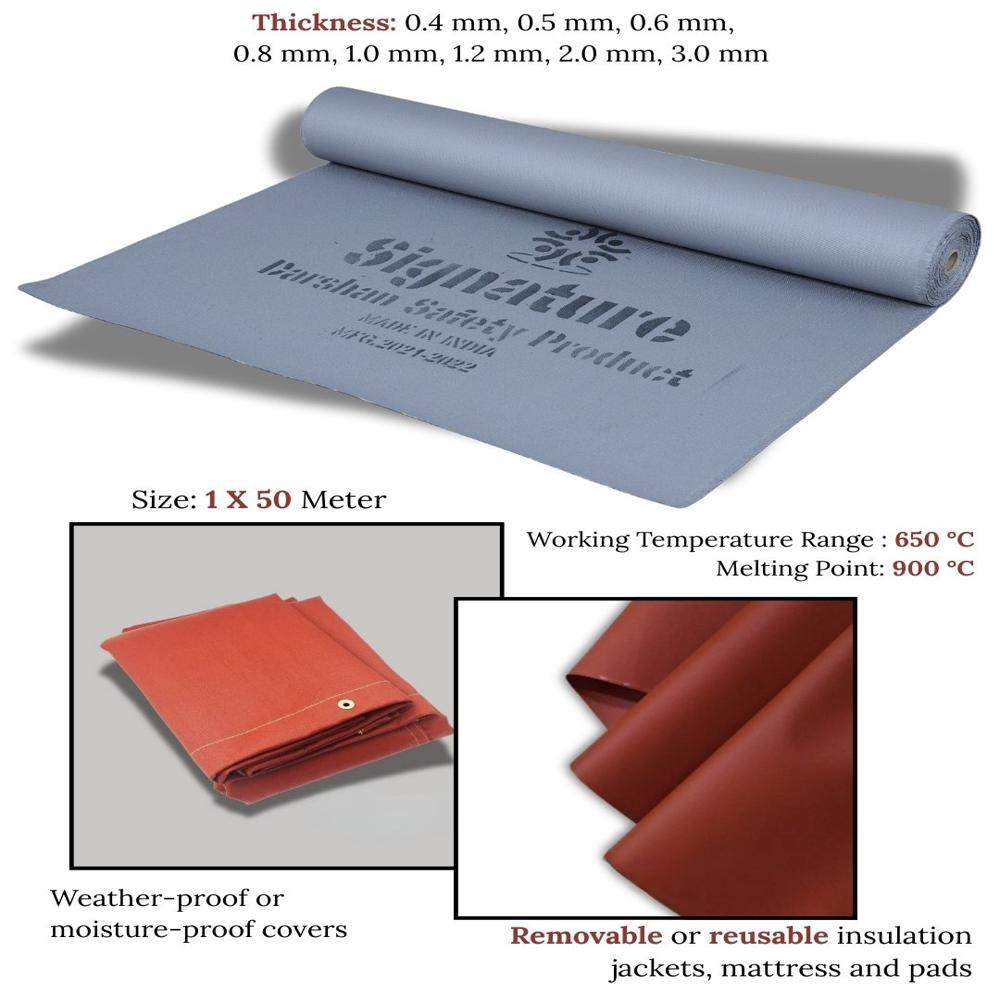
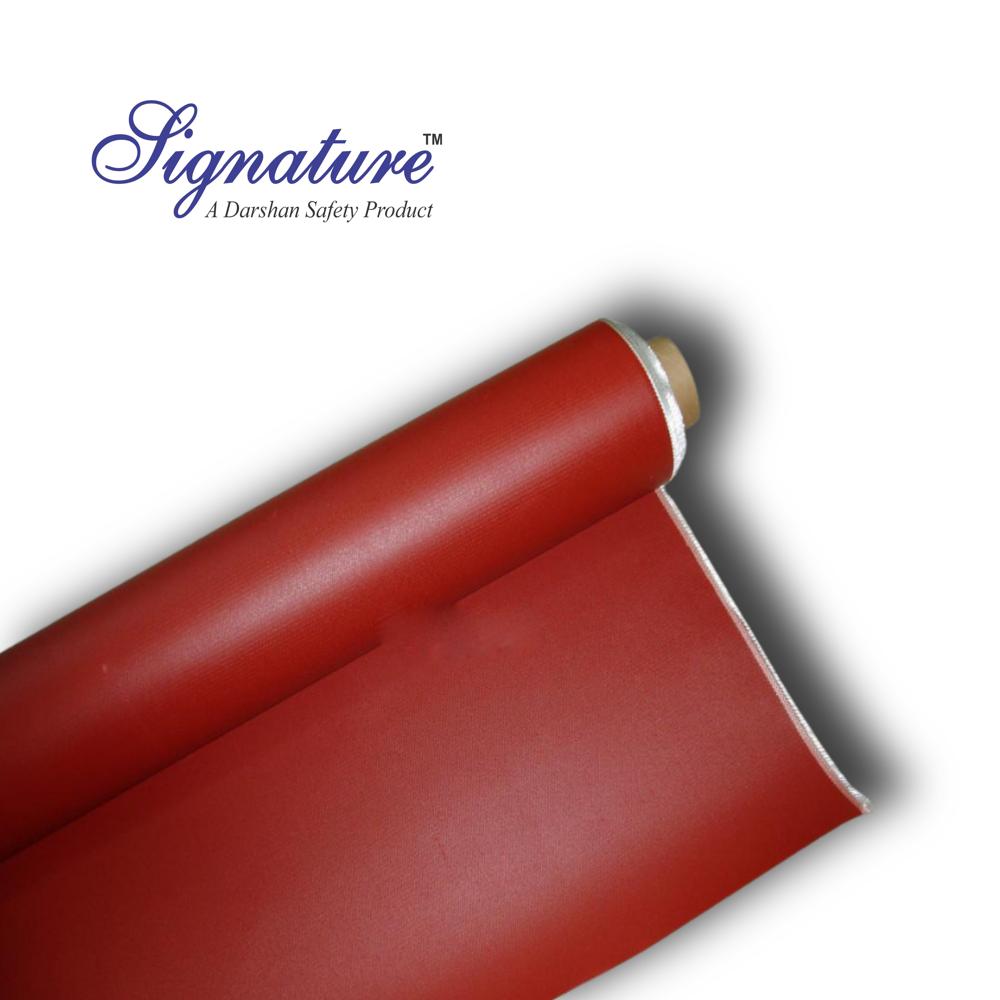
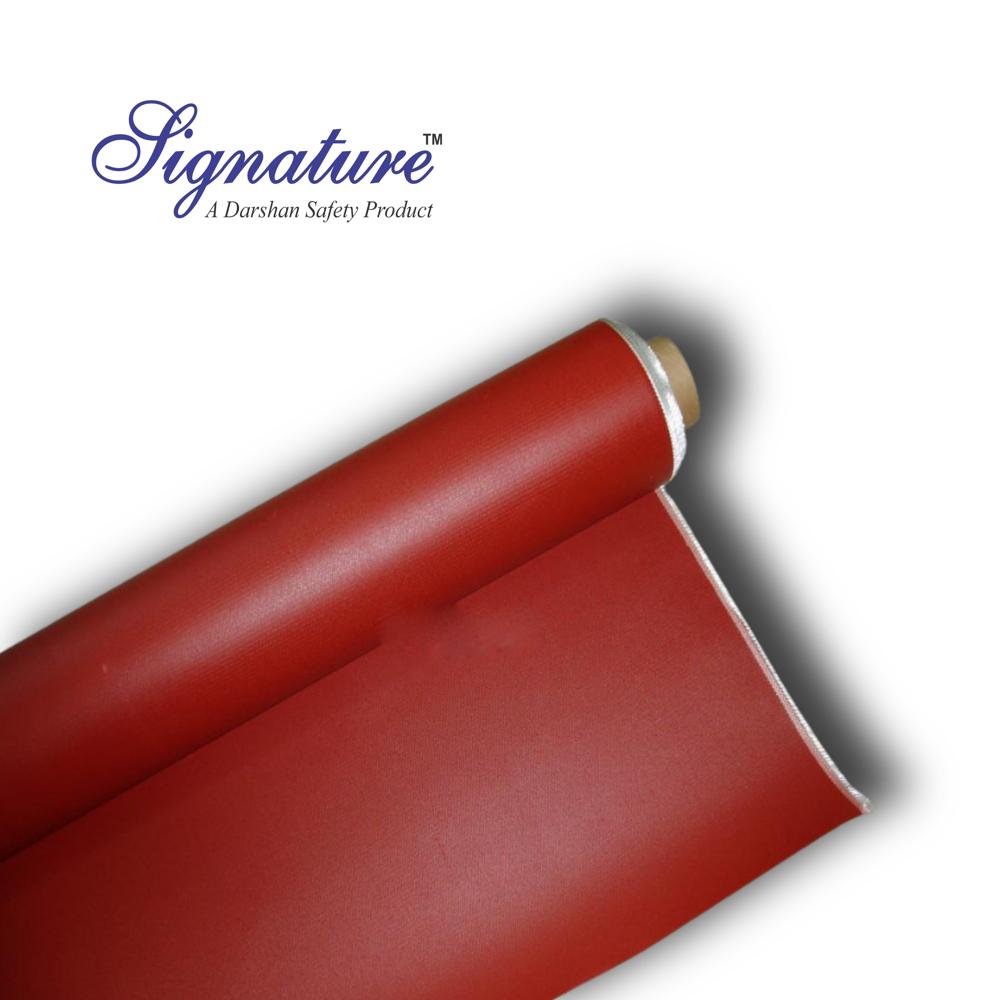
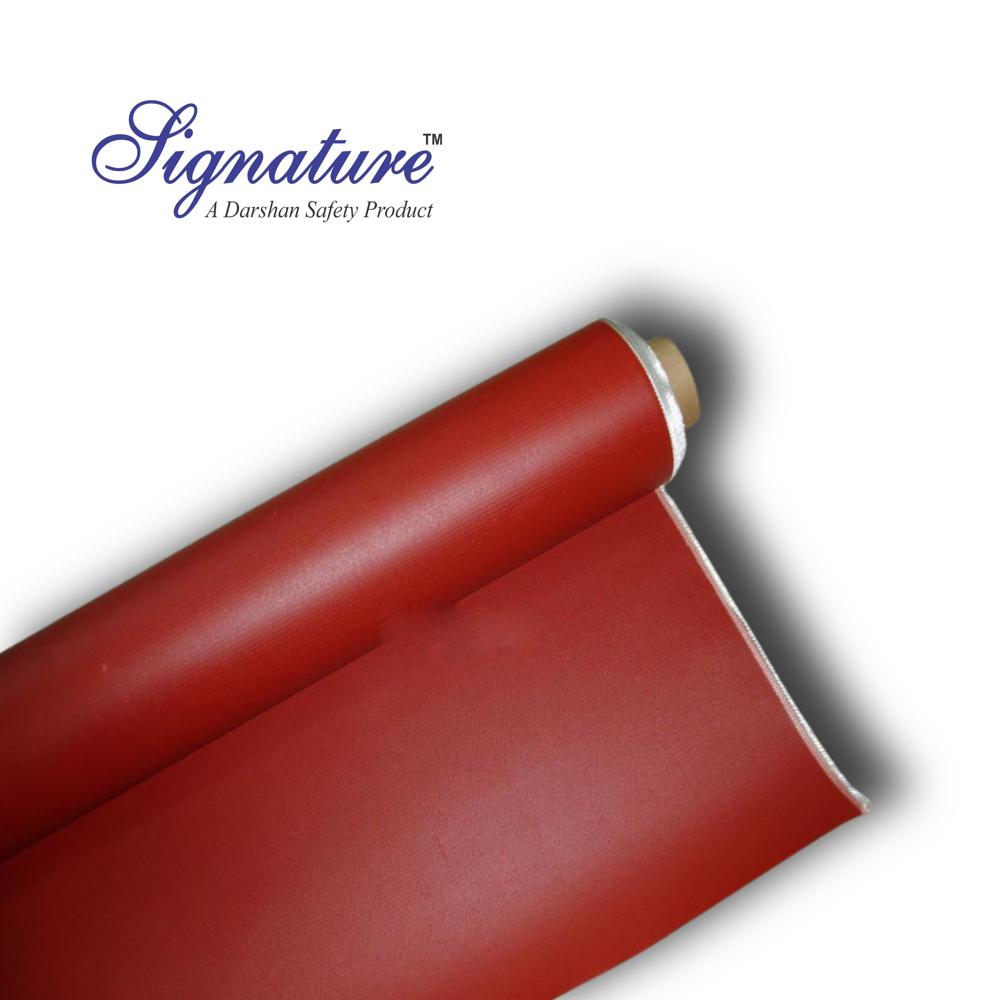
A: Yes, the cloth is available in customizable sizes to suit diverse requirements, although the standard roll measures 1 meter wide and 30 meters in length.
Q: What is the advantage of the fabrics non-stretch and uniform pattern?
A: These features provide dimensional stability, ensuring the fabric maintains its shape and performance under tension and in high-temperature scenarios, which is essential for long-term reliability.


 Send Inquiry



 Product Video



 English
 Spanish
 French
 German
 Italian
 Chinese (Simplified)
 Japanese
 Korean
 Arabic
 Portuguese



 Send Inquiry
 Send SMS
 Call Me Free