FAQs of Woven Ceramic Fiber Yarn Fabric:
Q: How is the woven ceramic fiber yarn fabric installed in industrial applications?
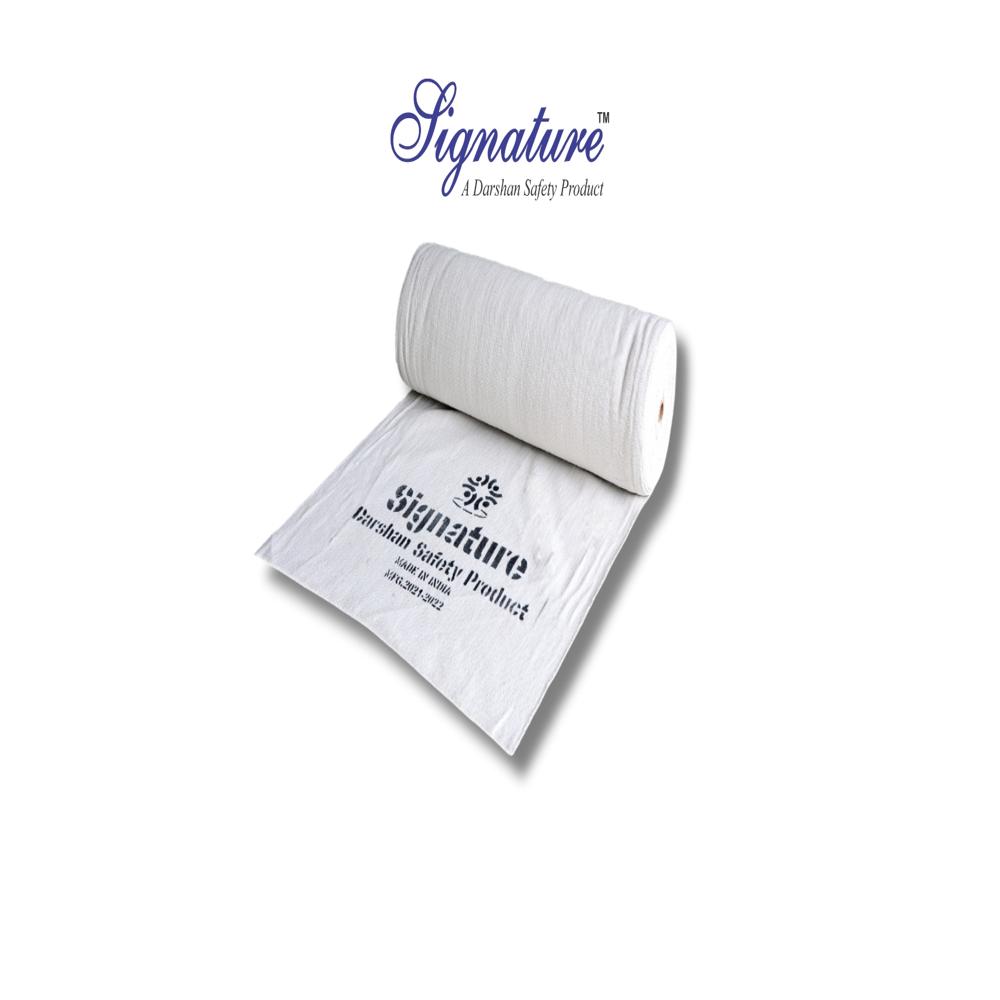
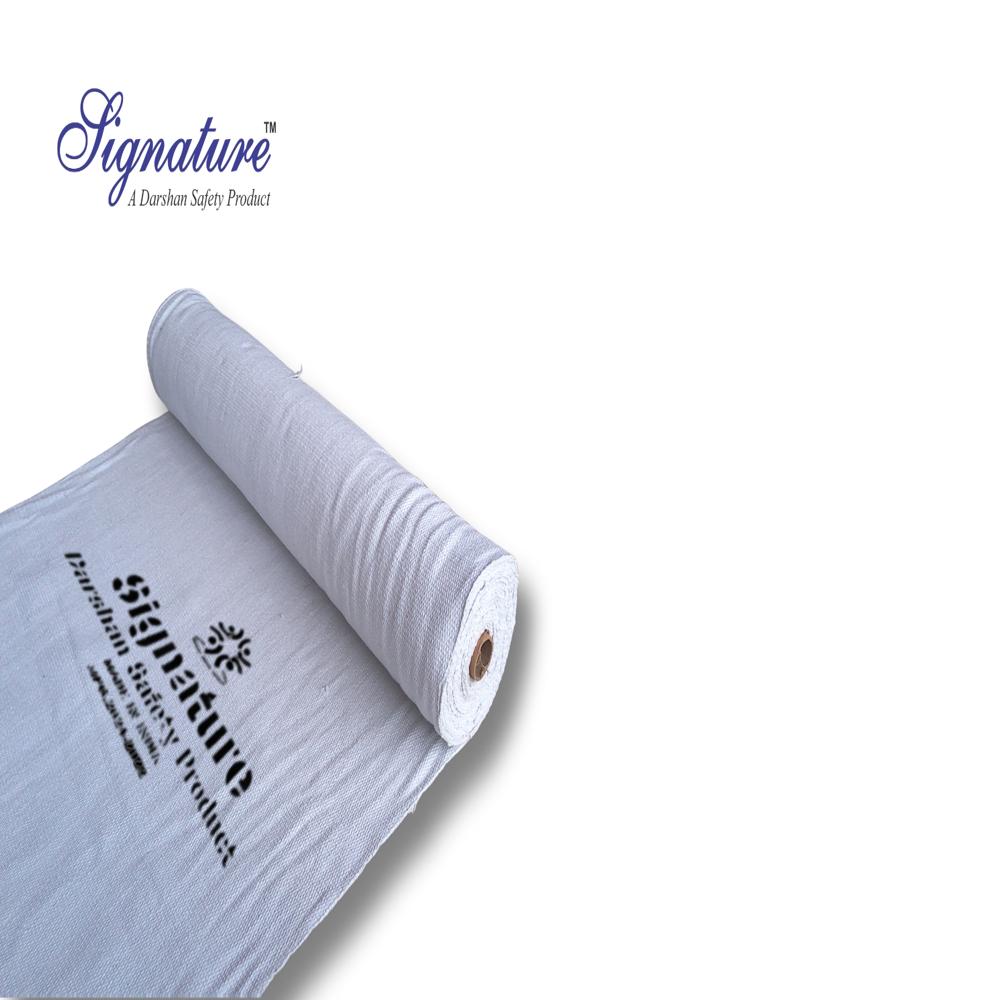
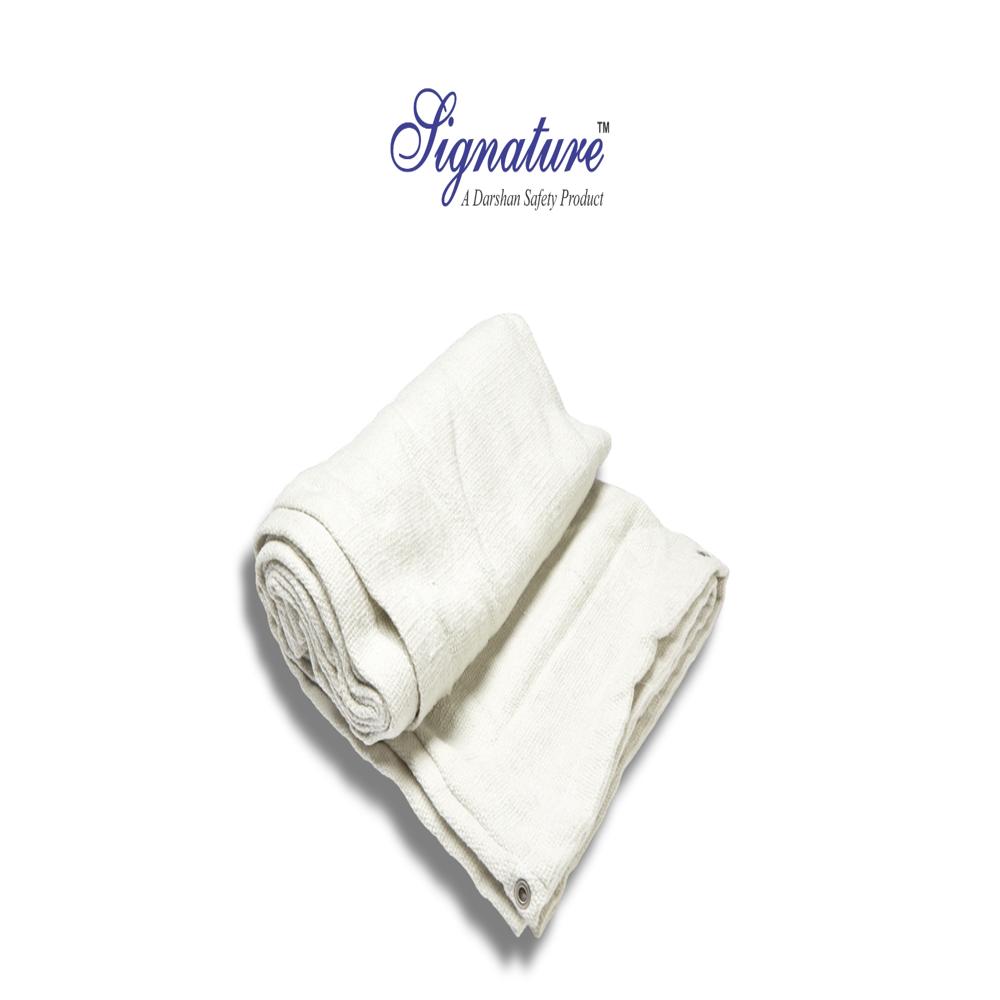
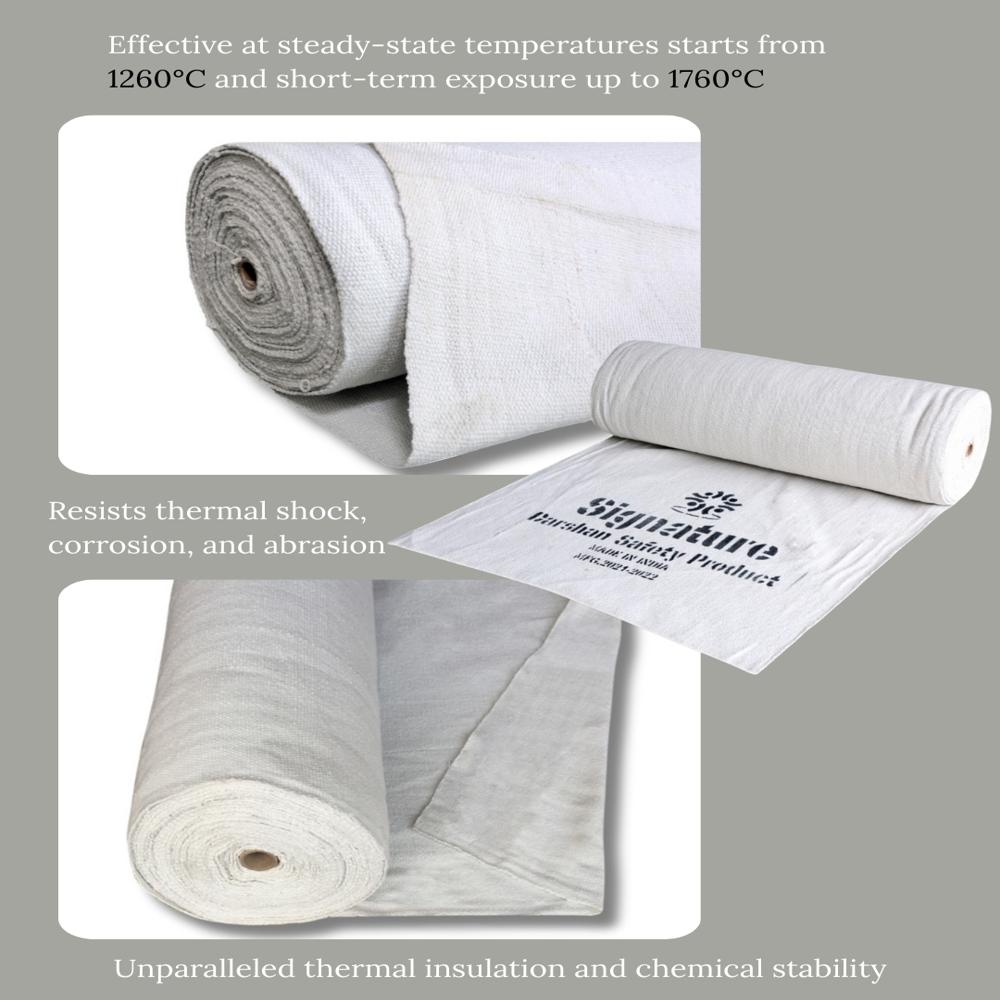
A: This fabric is typically cut to the required length and fitted over surfaces needing insulation, such as pipelines, boilers, and machinery. Fastening can be done with suitable mechanical pins or stainless steel wire, depending on the setup, ensuring a secure and consistent thermal barrier.
Q: What are the primary benefits of using this ceramic fiber cloth with stainless steel reinforcement?
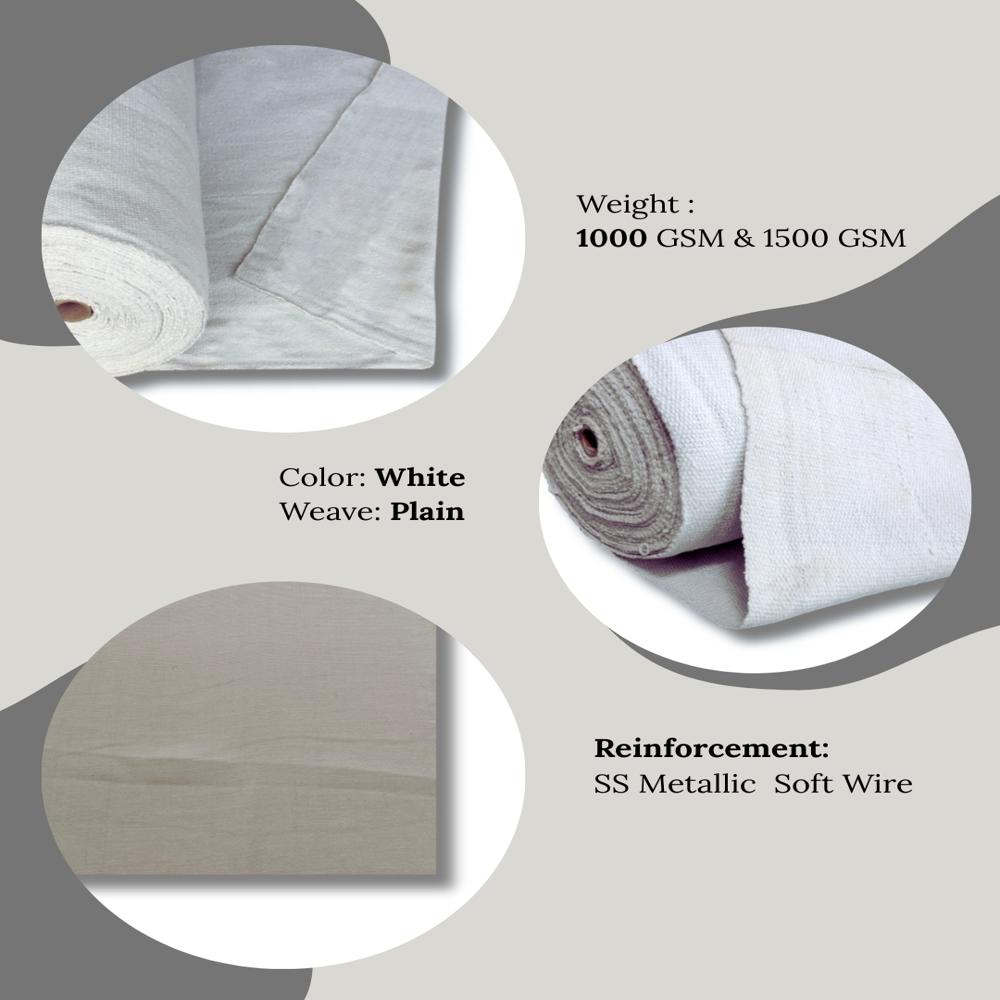
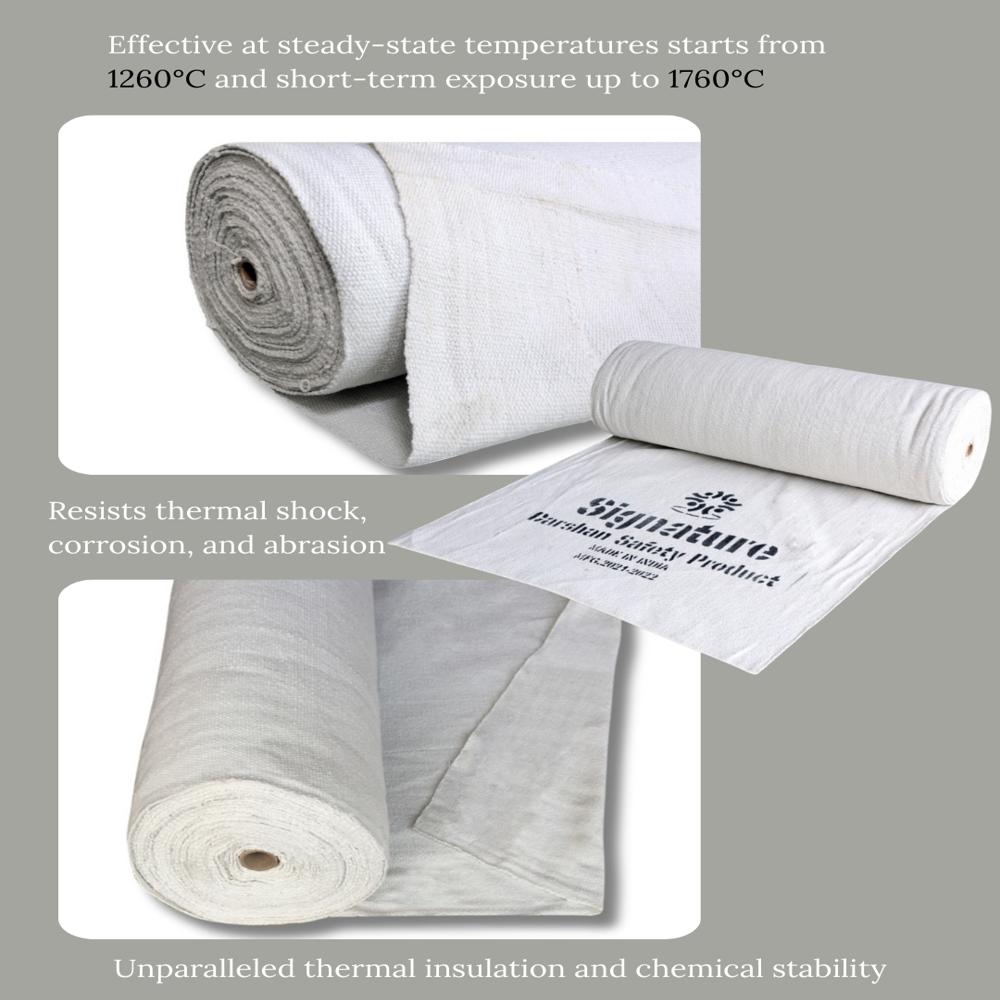
A: Key advantages include excellent heat insulation, resistance to fire up to 1300C, low thermal conductivity, and robust mechanical strength. The stainless steel reinforcement enhances durability, making it ideal for rigorous industrial use and providing reliable fire protection and thermal performance.
Q: When should this fabric be chosen over other types of insulation materials?
A: This fabric is best chosen when applications demand exceptional heat and fire resistance combined with mechanical robustness. Industries requiring insulation and fire protection for machines, pipelines, or vessels operating at high temperatures will benefit most from this material.
Q: Where can this ceramic fiber yarn fabric be applied for optimal performance?
A: Optimal use cases include textile machinery, boilers, pipelines in power stations, and ships where sustained thermal insulation and fire resistance are needed. Its flexibility in dimension and form enables usage in various industrial environments across India and globally.
Q: What is the process involved in manufacturing this ceramic fiber cloth?
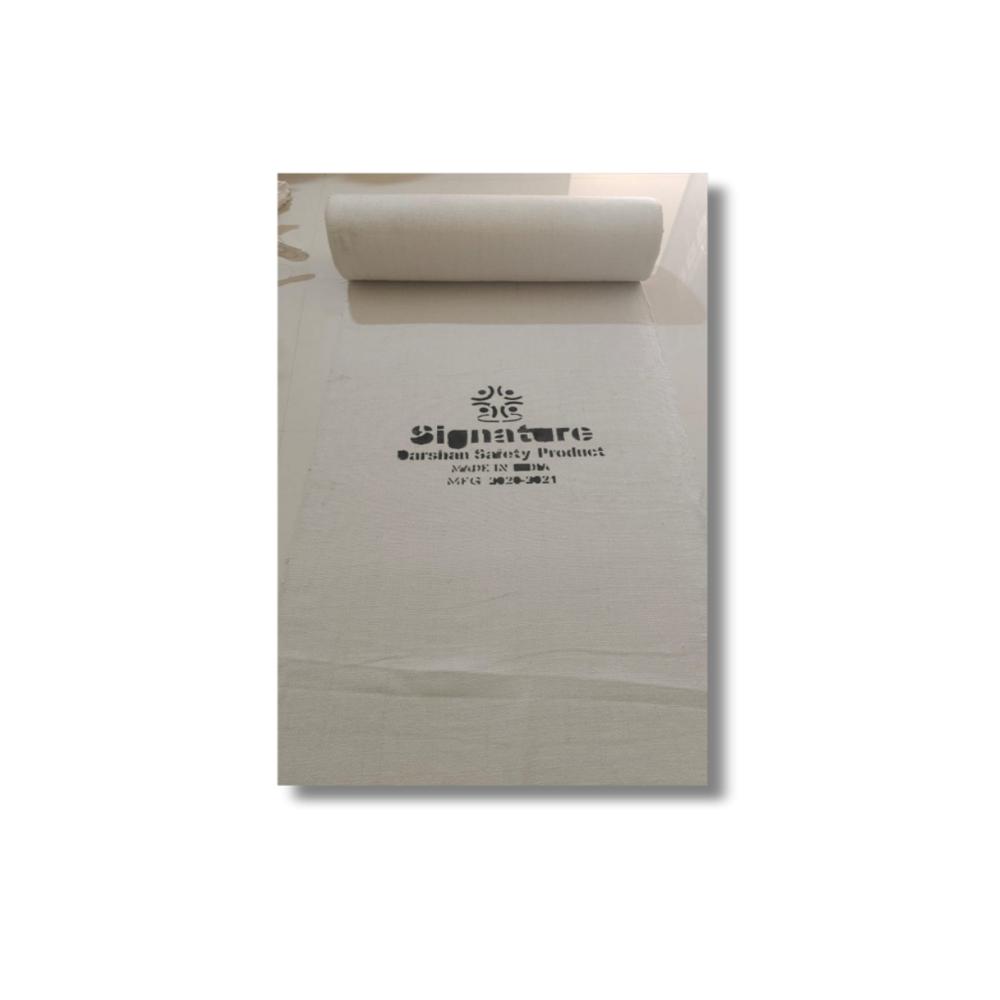
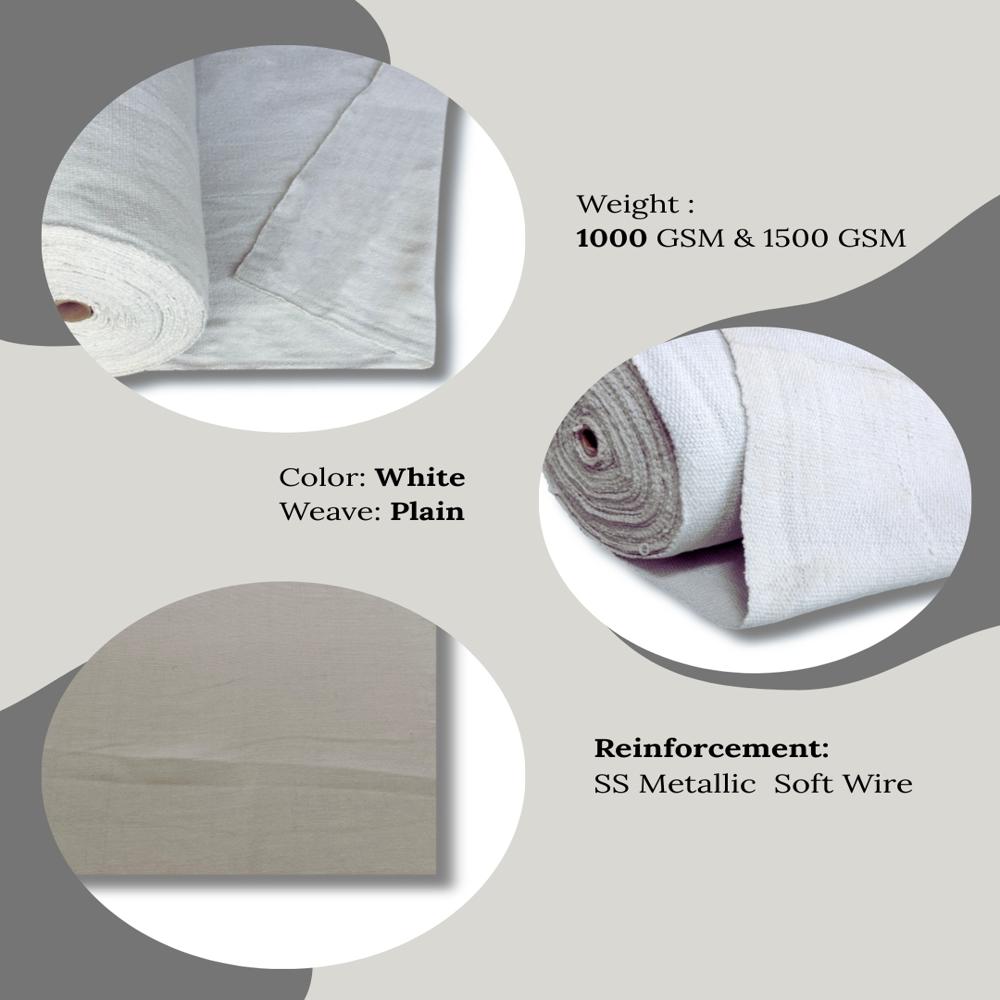
A: Manufacturing involves weaving high-purity ceramic fiber yarnsoften blended with a core of stainless steelto create a flat, plain-patterned fabric. The material is then thermally treated for enhanced resistance and quality assurance before being cut and rolled to standard sizes.
Q: How does the fabrics thermal conductivity affect its real-world application?
A: With its low thermal conductivity (0.03 W/mK), the ceramic fiber cloth effectively minimizes heat transfer, maintaining energy efficiency and protecting surrounding equipment and personnel from excessive heat exposure in industrial settings.
Q: What maintenance is required after installation of the ceramic fiber cloth?
A: Minimal maintenance is needed. Routine inspections should check for physical damage or displacement, particularly in high-vibration or high-traffic areas. If the fabric remains undisturbed and kept dry, its fireproof and insulating properties are retained over prolonged periods.


 Send Inquiry

 Product Video



 English
 Spanish
 French
 German
 Italian
 Chinese (Simplified)
 Japanese
 Korean
 Arabic
 Portuguese




 Send Inquiry
 Send SMS
 Call Me Free