FAQs of Silicone Coated Glass Fiber Cloth:
Q: How is the silicone coated glass fiber cloth typically used in industrial settings?
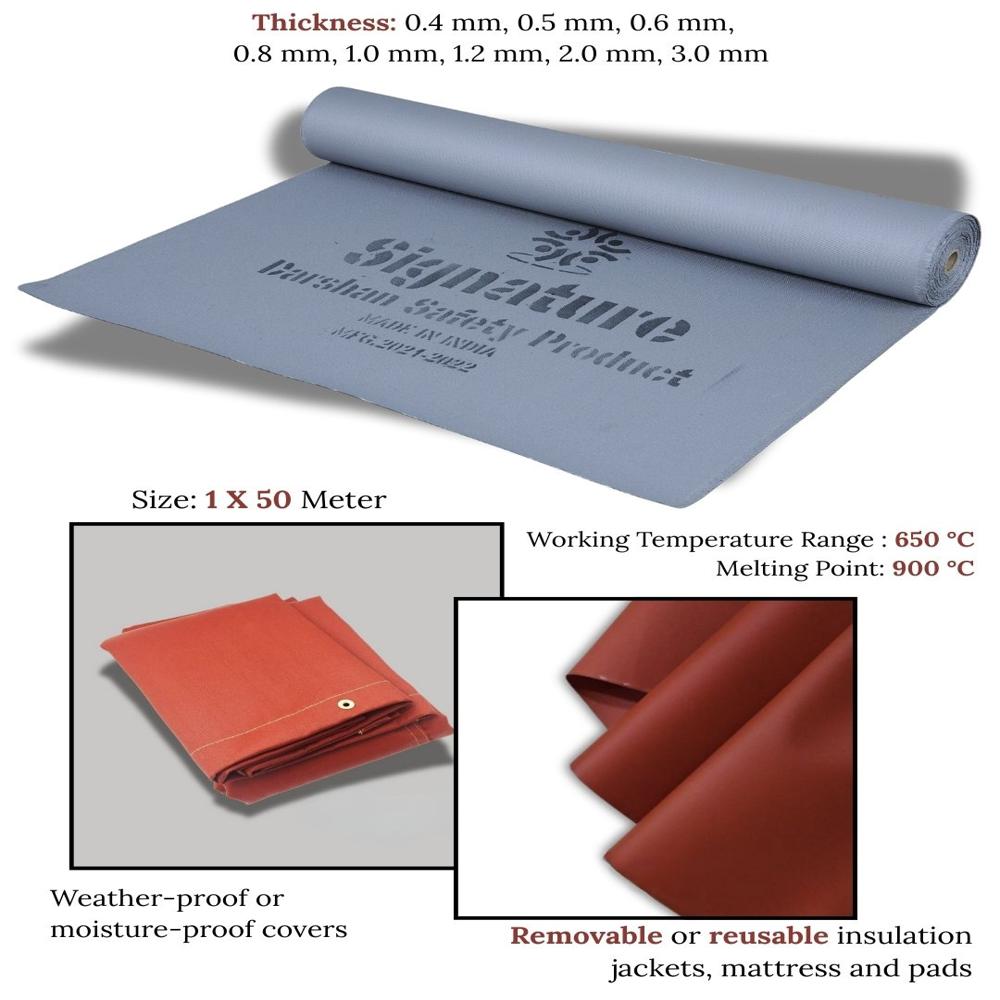
A: It is commonly employed as fire protection barriers, safety curtains, expansion joints, and protective covers for machinery and equipment, thanks to its flame-retardant, heat-insulated, and waterproof characteristics.
Q: What are the performance benefits of using this cloth for fire safety applications?
A: This fabric combines the strength and thermal resistance of E class fiberglass with the fire-retardant and water-resistant attributes of the silicone coating, providing superior protection in environments exposed to high temperatures and flames.
Q: When should you consider using silicone coated glass fiber cloth over other materials?
A: Use this cloth whenever you require robust fireproofing, excellent heat insulation, and waterproofing, especially in industrial environments where safety and durability are critical, such as manufacturing plants, warehouses, and heavy machinery protection.
Q: Where can this silicone coated fabric be installed?
A: It can be installed wherever fire safety and insulation are needed, including around machinery, as curtain barriers between hazardous zones, in exhaust systems as expansion joints, or as covers for sensitive devices.
Q: What is the manufacturing process of the silicone coated glass fiber cloth?
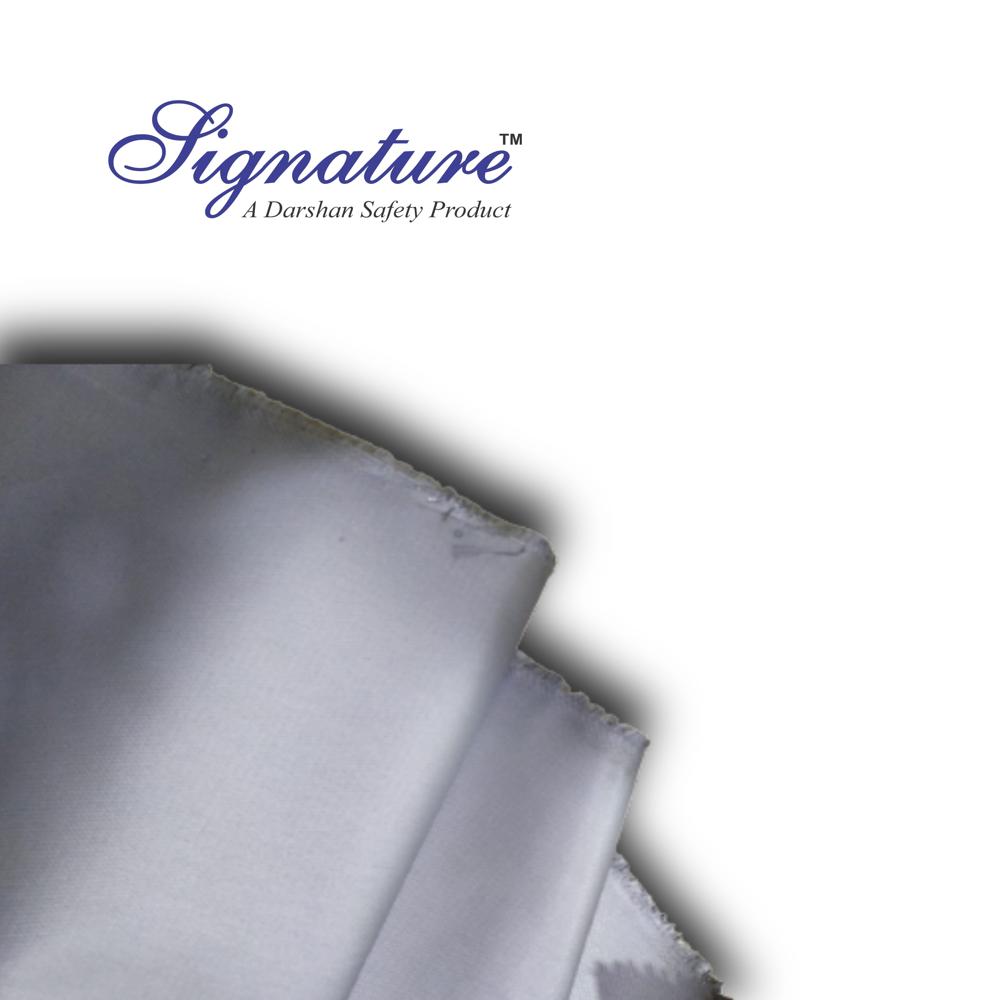
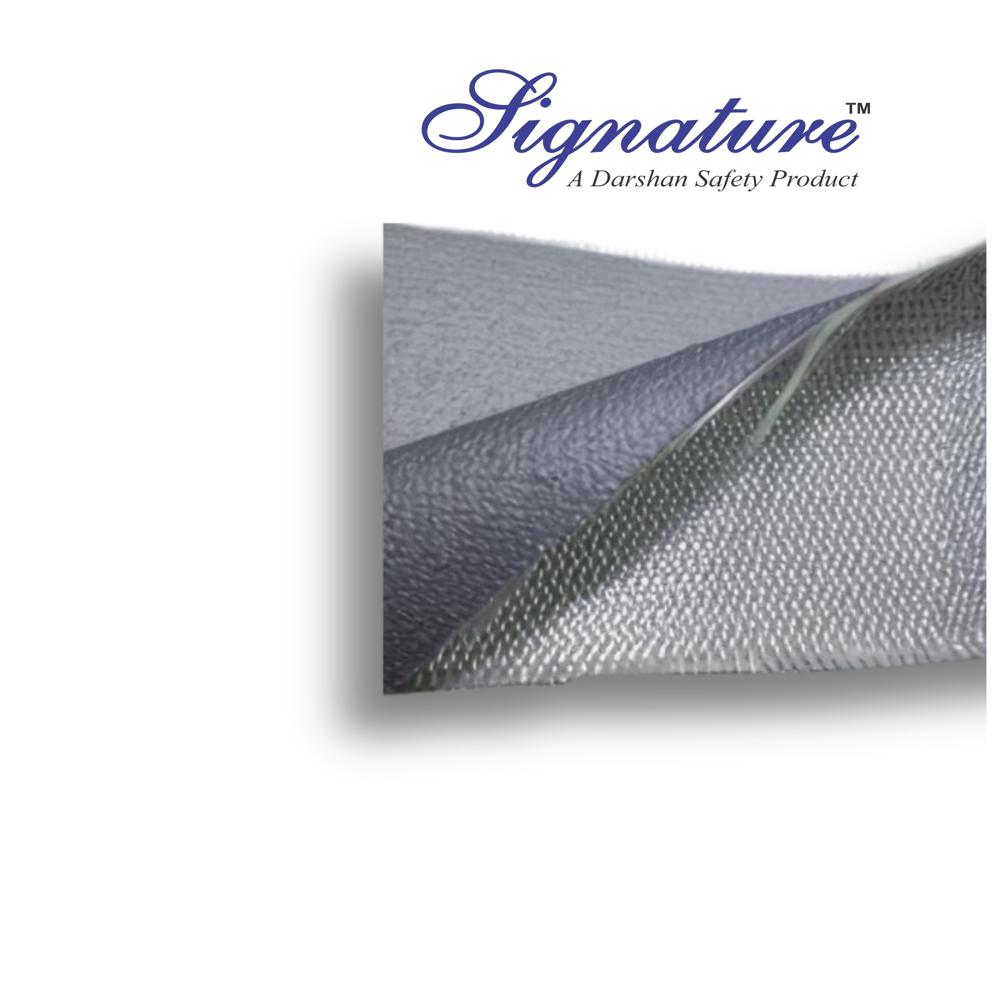
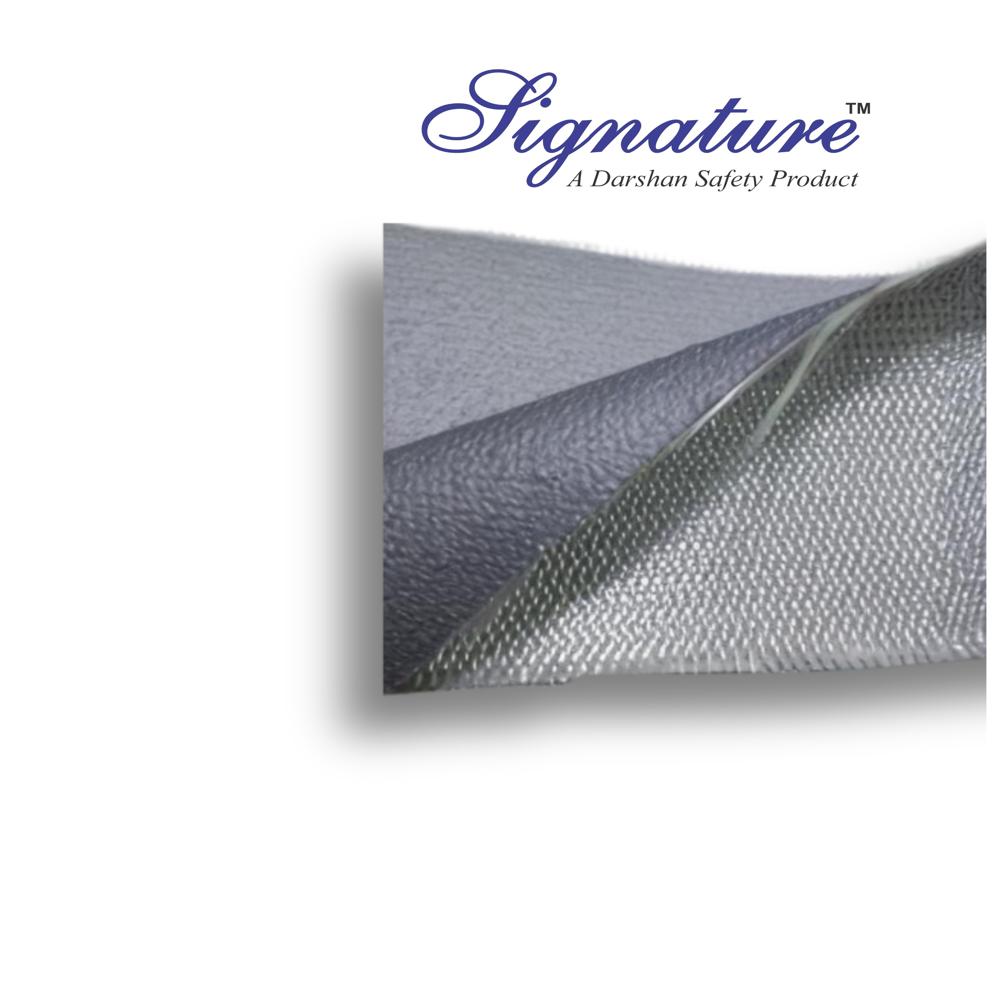
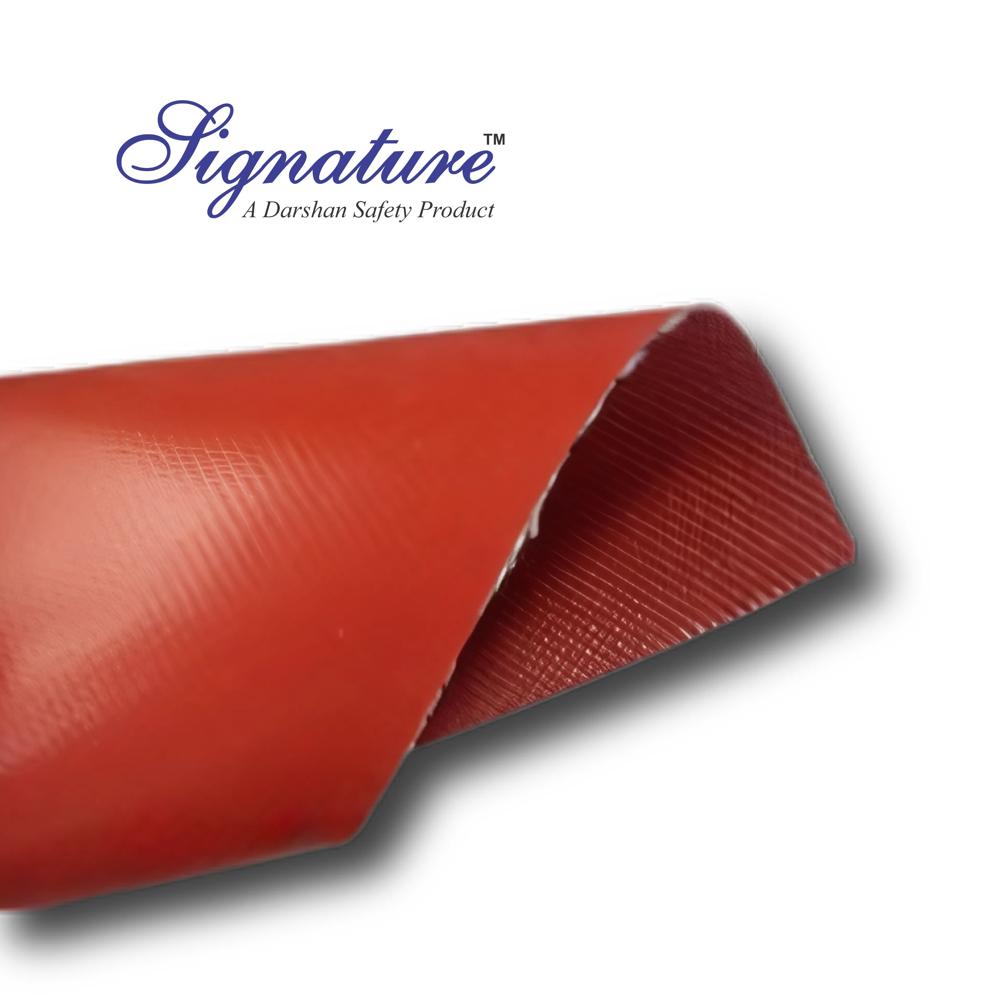
A: The fabric is produced by weaving E class fiberglass into a plain texture, then coating one or both sides with a specially formulated silicone layer, which enhances its resistance to heat, fire, and water.
Q: What dimensions and colors are available for this product?
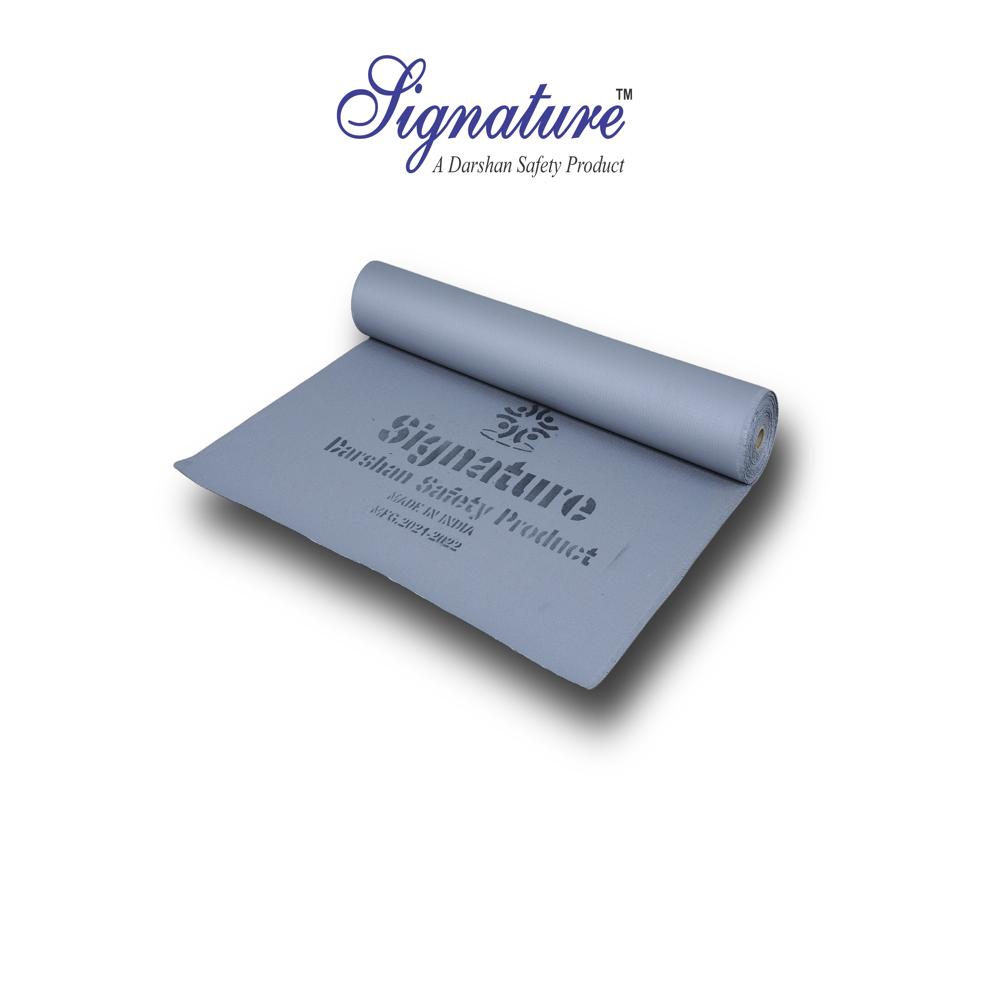
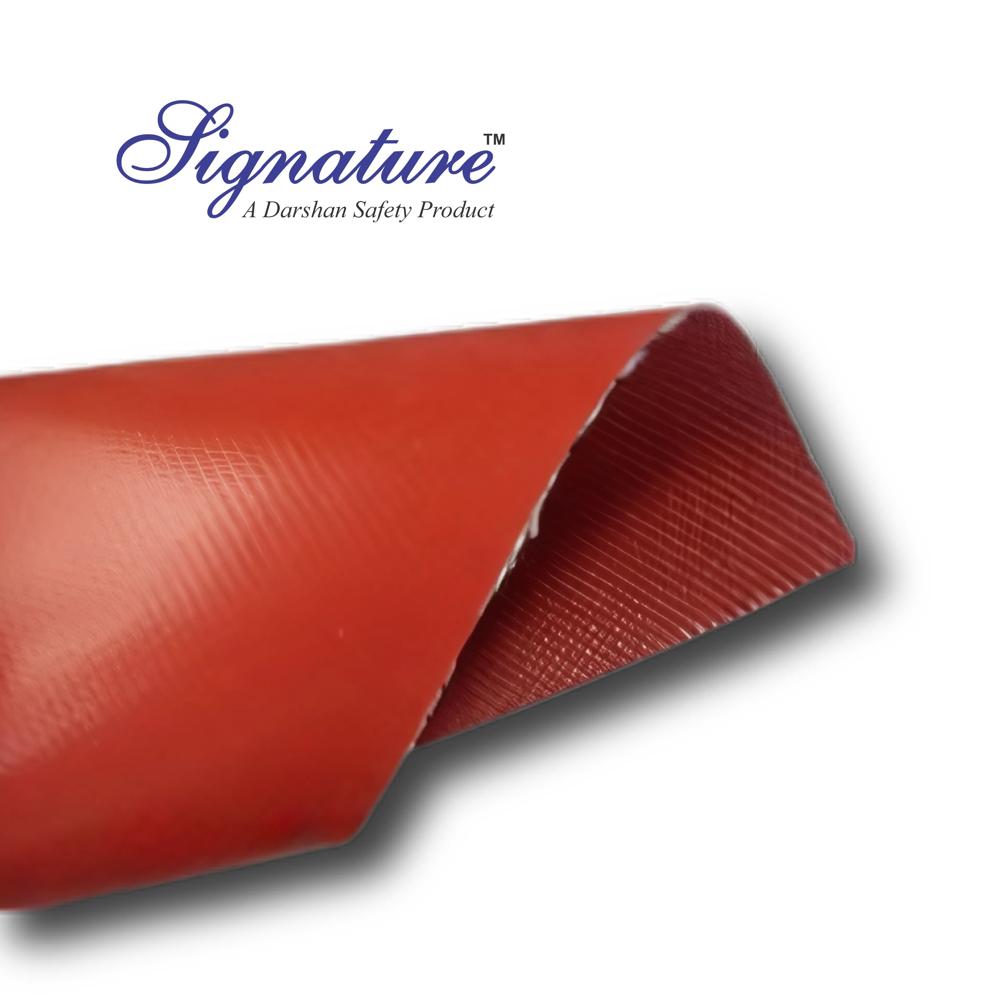
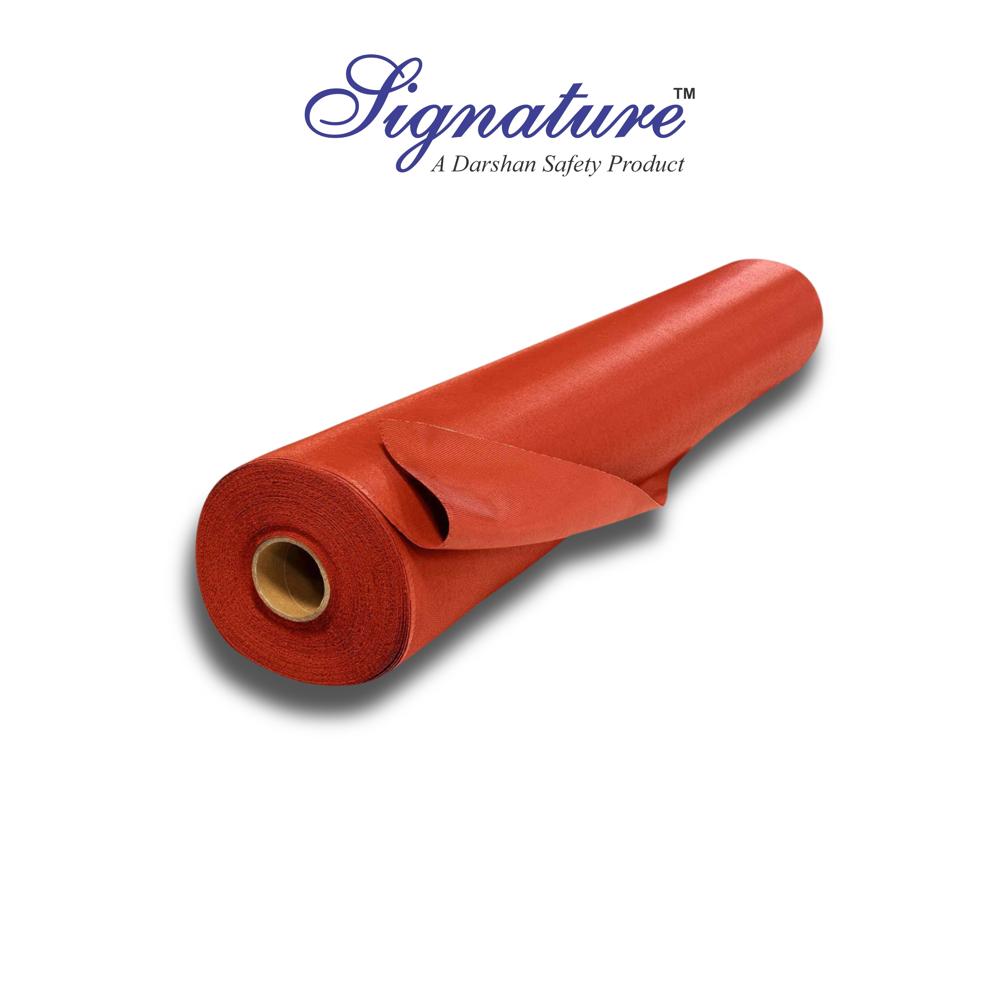
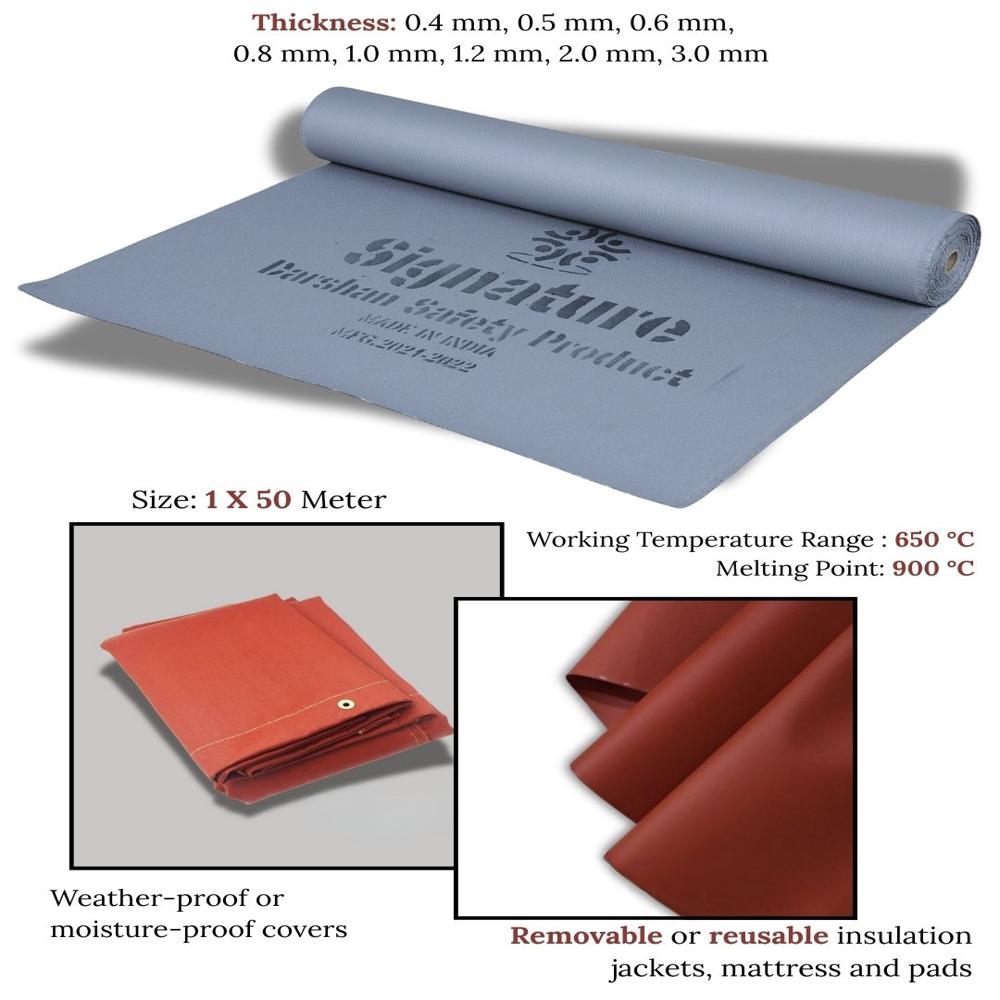
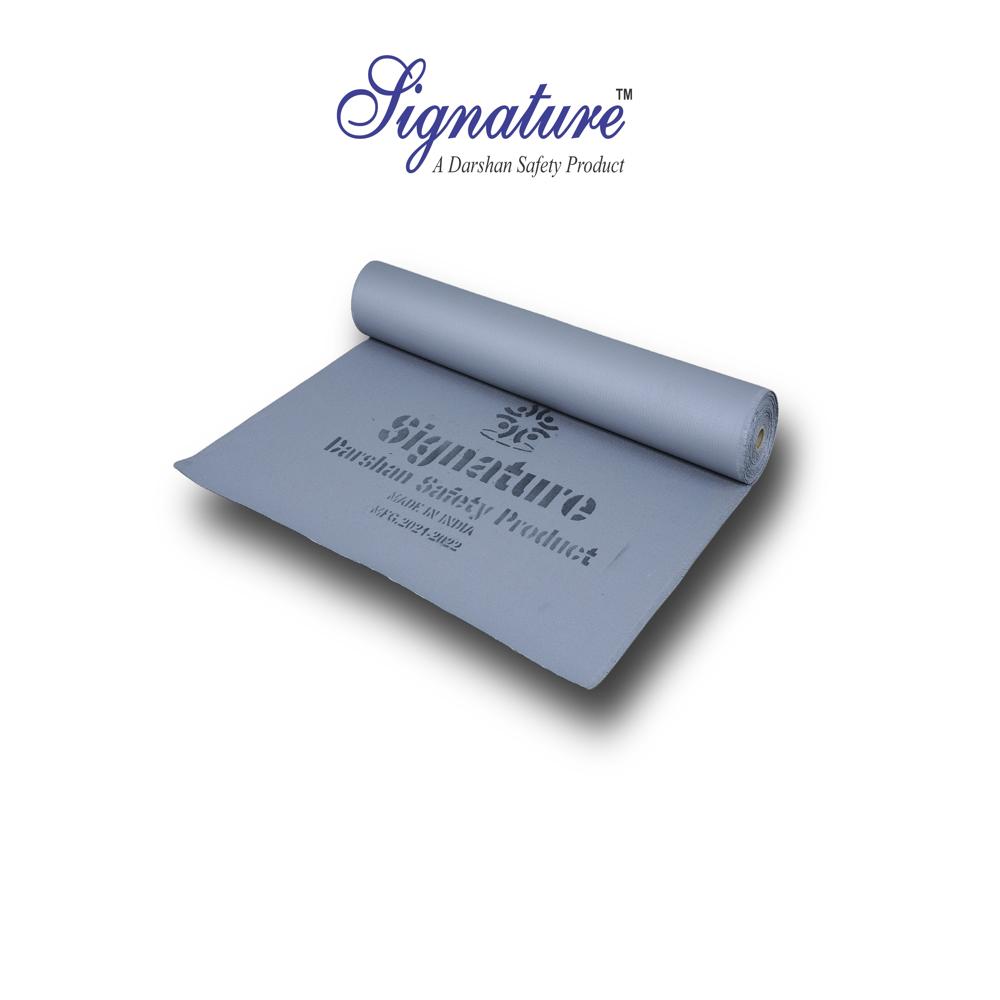
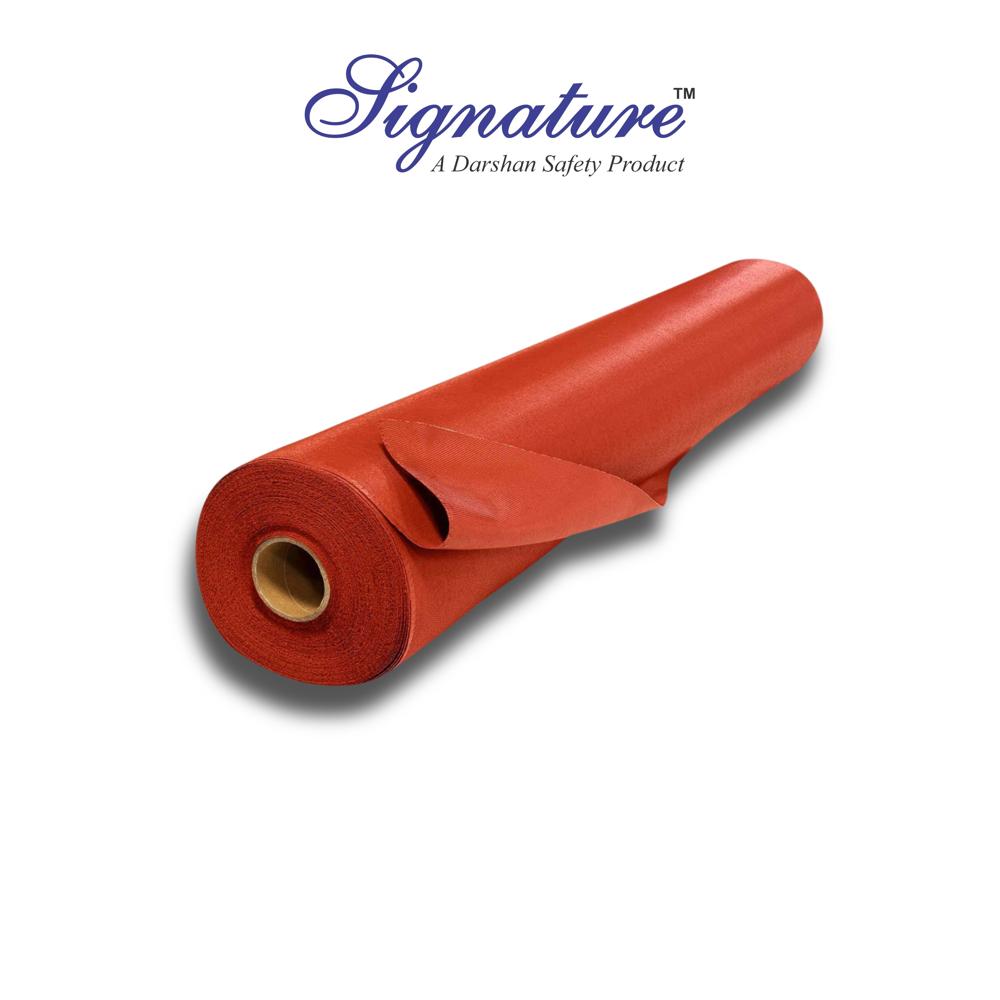
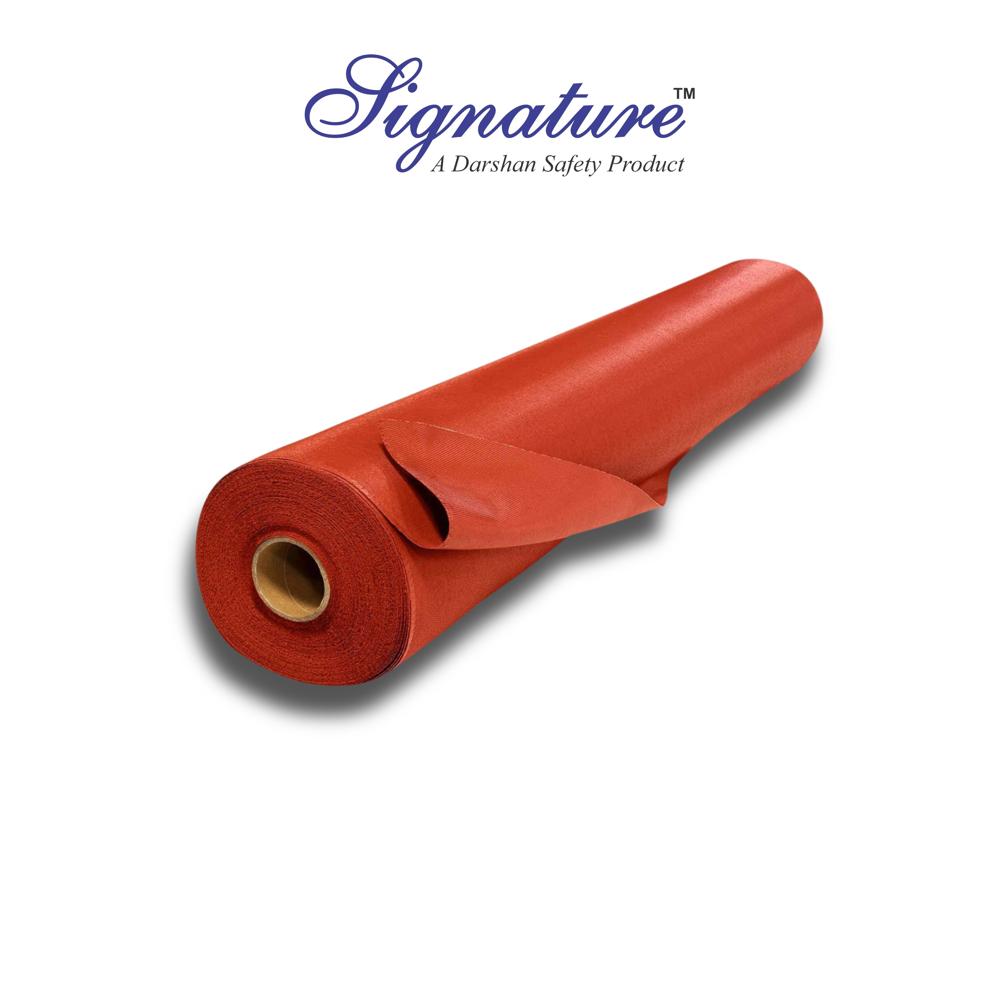
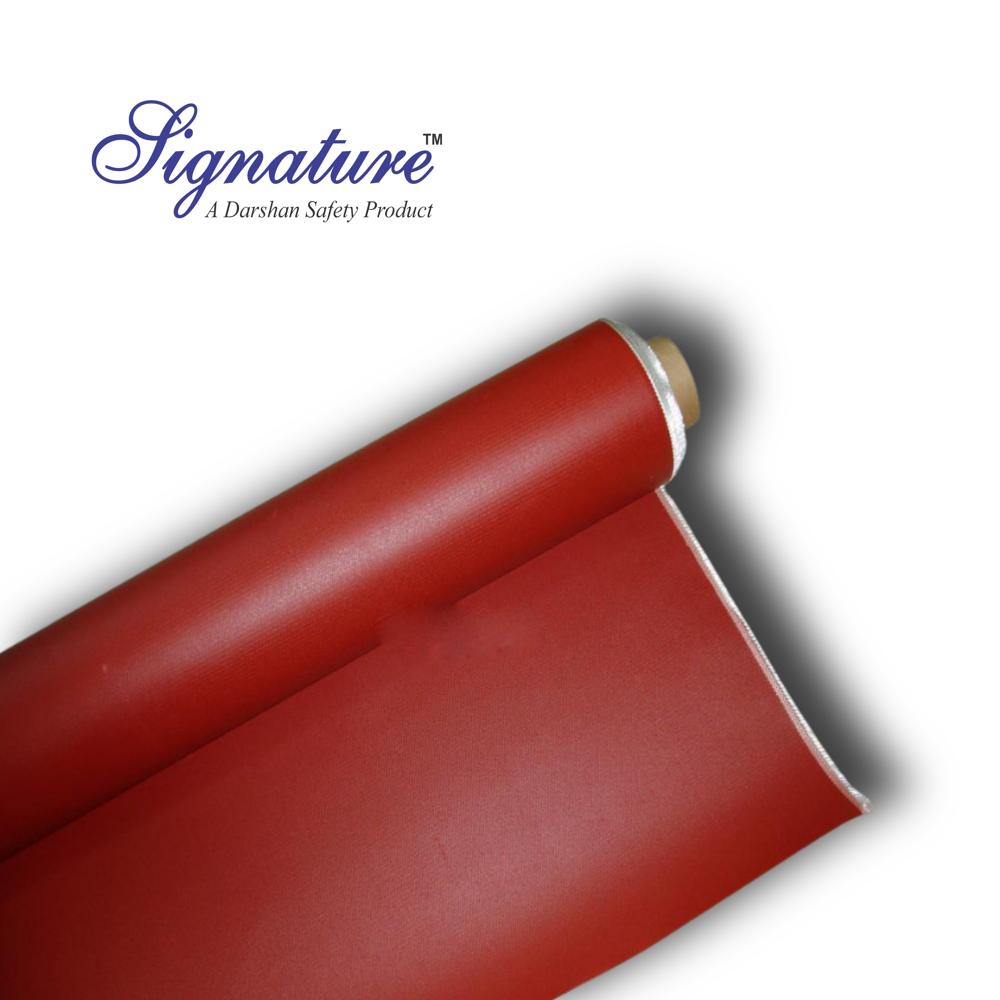
A: Standard dimensions include a width of 1 meter and lengths up to 50 meters, with thickness options such as 0.6mm. Available colors include red, grey, black, and green, and custom sizes can be provided upon request.


 Send Inquiry

 Product Video



 English
 Spanish
 French
 German
 Italian
 Chinese (Simplified)
 Japanese
 Korean
 Arabic
 Portuguese



 Send Inquiry
 Send SMS
 Call Me Free